
Richard the Lionheart: Hero or Absent King?
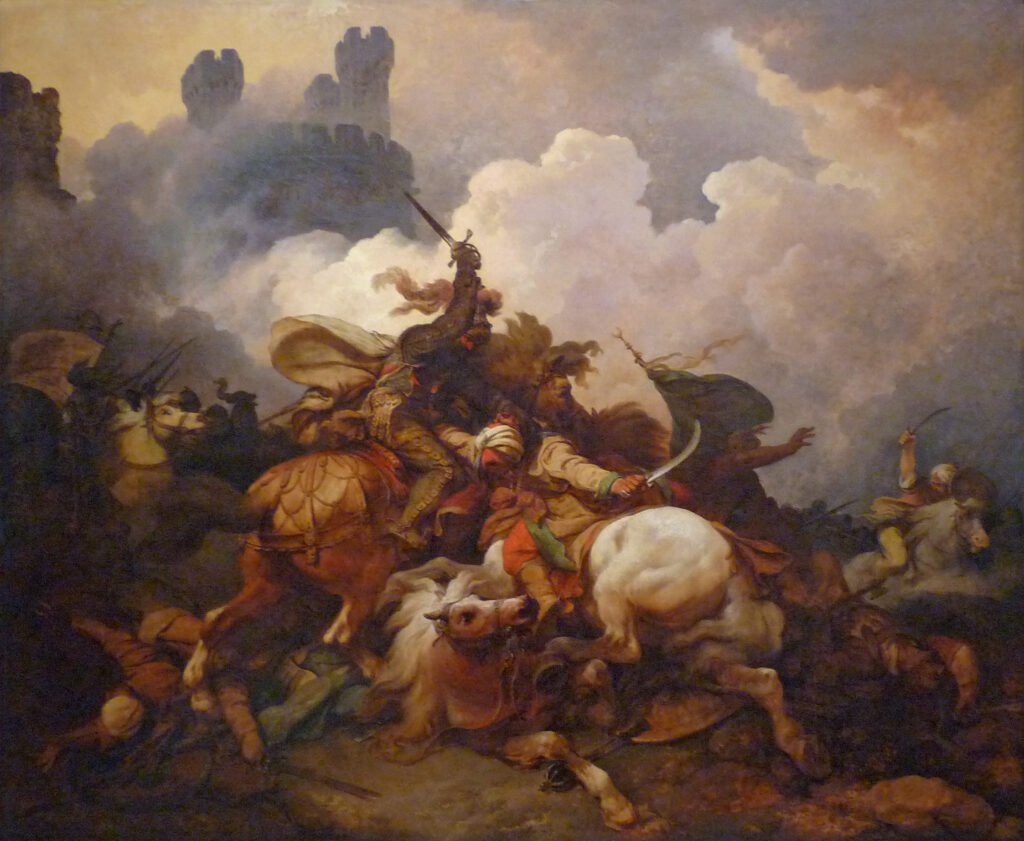
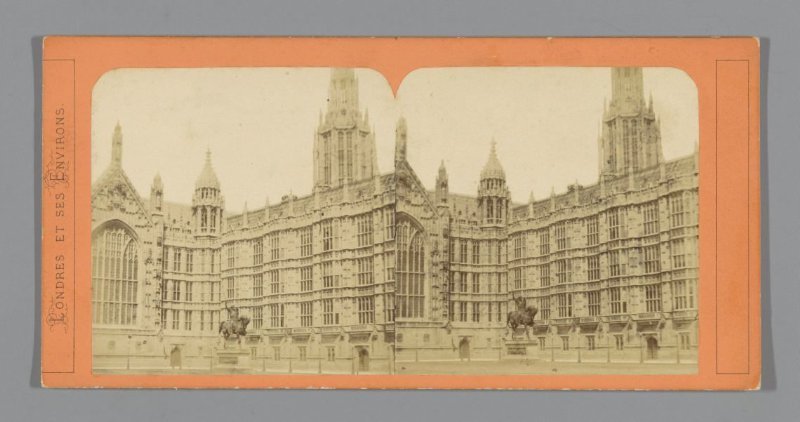
Few English kings are as famous as Richard the Lionheart, yet he spent only about six months of his ten-year reign in the country. He fought his way across the Holy Land, was kidnapped on the way home, cost his subjects a fortune in ransom and died from a crossbow wound he got while strolling around a siege without full armour. Victorian England put up a heroic statue of him outside Parliament. Some modern historians think he was a terrible king. So which was he? Let’s look at the man behind the lion.
Jump to a section:
A prince who grew up fighting
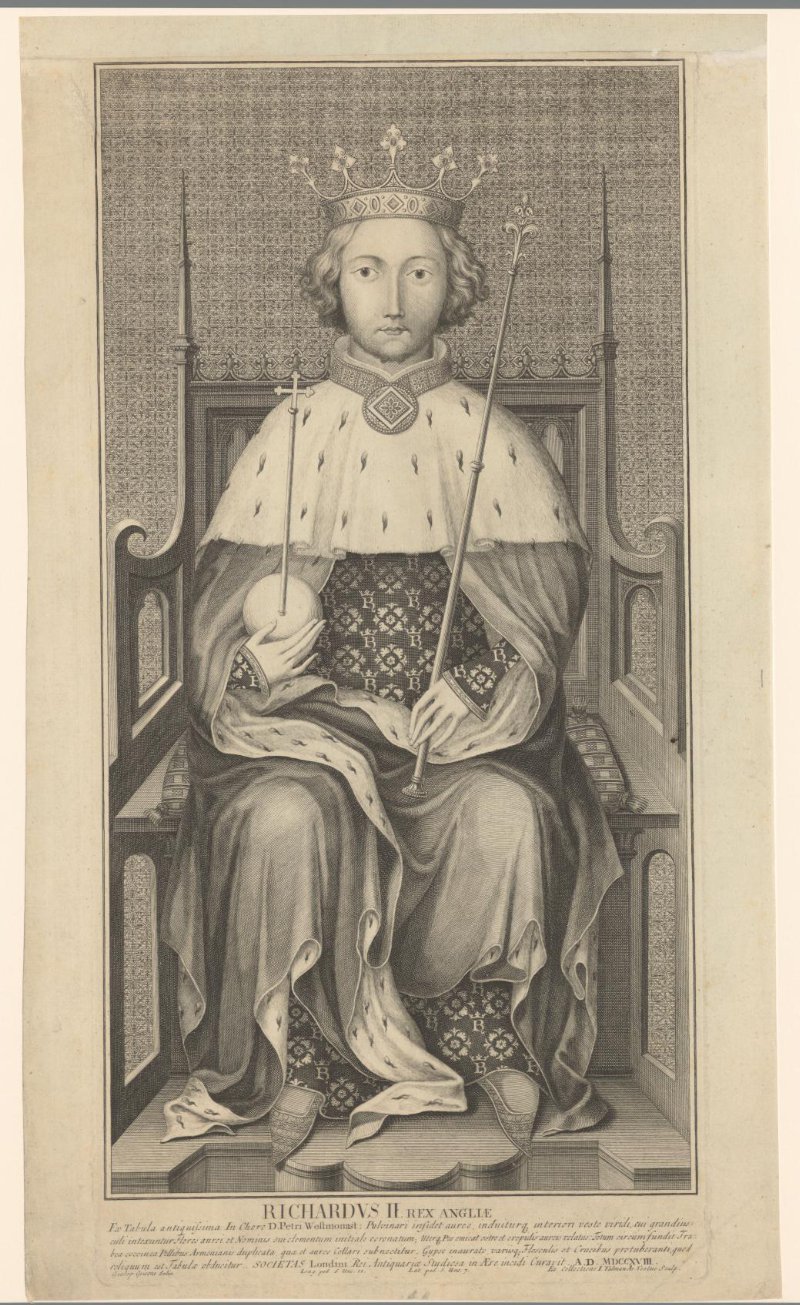
Richard was born in Oxford on 8 September 1157, the third son of King Henry II and Eleanor of Aquitaine. He was not expected to become king. Instead, he was groomed to rule his mother’s lands in south-western France, and in his teens he was formally installed as Duke of Aquitaine. His mother’s dramatic life, including her own years of rebellion, is covered in our article on Eleanor of Aquitaine.
Family life in this dynasty was not peaceful. In 1173, when he was about fifteen, Richard joined his brothers and his mother in a revolt against their father. It failed, and Henry forgave his sons, but the pattern was set. Richard spent the next years crushing rebellious barons in Aquitaine, besieging castles and learning the trade that would define his life: war. By his twenties he had a reputation as a brilliant, fearless and often brutal commander.
His older brothers both died young, which left Richard as heir. In 1189 he teamed up with the French king, Philip II, and turned on his father once again. Henry II, sick and defeated, died at Chinon in July 1189. On 3 September, Richard received the crown at Westminster Abbey. The celebrations turned ugly when attacks on London’s Jewish community broke out during the coronation festivities, the start of a wave of violence that culminated in the massacre at York in March 1190.
Selling everything for a crusade
Richard had already sworn to go on crusade. Two years earlier, Saladin, the sultan of Egypt and Syria, had defeated the crusader army at the Battle of Hattin and captured Jerusalem. The pope called for a new crusade, and Richard intended to lead it.
Crusades were horribly expensive, so Richard raised money with remarkable energy. Offices, lands, castles and favours were all for sale. A chronicler, Richard of Devizes, claimed the king joked that he would have sold London itself if he could have found a buyer. Whether or not he really said it, the line captures the mood. Within months of his coronation, he was gone.
Richard the Lionheart on the Third Crusade
On the way east, Richard picked up a kingdom almost by accident. In the spring of 1191 a storm scattered his fleet. Several ships were wrecked off Cyprus, the one with Joan, his sister, and Berengaria of Navarre, his bride-to-be, on board was left stranded off Limassol, and the island’s ruler treated the survivors badly. Richard invaded and conquered Cyprus in a matter of weeks, and he married Berengaria there, at Limassol, in May 1191.
In June he reached Acre, a port on the coast of what is now Israel, where a crusader army had been besieging the Muslim garrison for almost two years. With Richard’s men and siege engines added to the effort, the city surrendered in July. What followed is one of the darkest episodes of his career. Negotiations with Saladin over prisoners and payments broke down, and in August Richard had around 2,700 Muslim prisoners from the garrison executed in sight of Saladin’s army.
Then came the march south along the coast. At the Battle of Arsuf in September 1191, Richard’s army held together under constant attack and then broke Saladin’s forces in a charge. It was a real victory, and it made his name. For the wider story of these wars, see the Crusades explained.
So close to Jerusalem
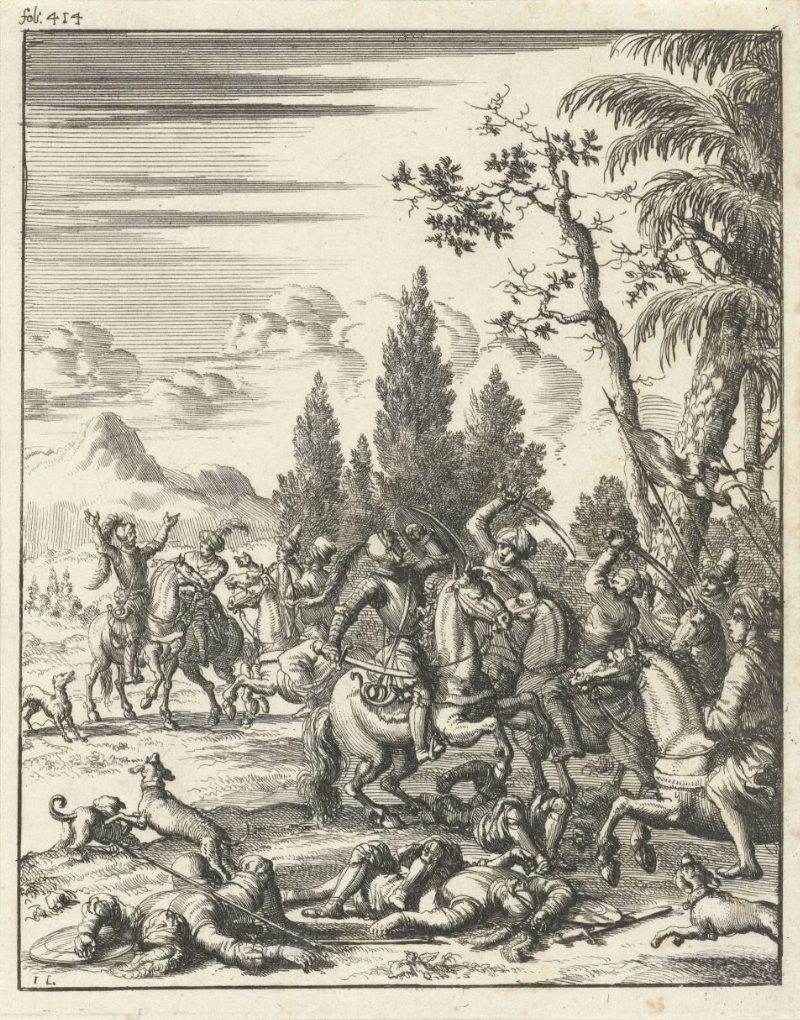
Twice Richard led his army to within a short march of Jerusalem, and twice he turned back. It wasn’t cowardice. His advisers warned that even if they took the city, they could never hold it once the crusaders went home, and the supply lines from the coast were dangerously exposed. Many of his own soldiers were bitterly disappointed.
Instead, after more fighting, including a famous stand at Jaffa in the summer of 1192, Richard and Saladin agreed a truce in September 1192. The crusaders kept a strip of coast, and Christian pilgrims were allowed to visit Jerusalem. Despite all the legends, the two great rivals never actually met face to face, although chroniclers say gifts passed between the camps, including fresh fruit and, at one point, horses for Richard.
Kidnapped on the way home
Richard’s journey back turned into a disaster. Shipwrecked in the Adriatic, he tried to cross central Europe in disguise, but in December 1192 he was recognised near Vienna and seized by Duke Leopold V of Austria. Leopold had a grudge: at Acre, Richard’s men had thrown down his banner. The duke handed his prisoner over to the Holy Roman Emperor, Henry VI.
The ransom was set at 150,000 marks, an enormous sum, roughly two or three times the crown’s annual income. England was taxed heavily to raise it, with a quarter of people’s income and goods demanded and church treasures melted down. Richard was finally released in February 1194. A much later legend says his loyal minstrel, Blondel, found him by singing beneath castle windows until the king sang back. It’s a lovely story with no evidence behind it.
Back in England, Richard’s brother John had been plotting with King Philip of France. Richard forgave him, more or less, and then left England for the last time. How John went on to rule is a story told in whether King John really was England’s worst king.
A crossbow bolt at Châlus
Richard spent his last five years fighting Philip II to defend his French lands. He built a huge new fortress, Château Gaillard, on a cliff above the Seine, and was immensely proud of it. Five years after his death the French took it, partly, according to the chronicle account, thanks to a latrine chute, a story you’ll find in our look at medieval toilets.
In March 1199 Richard was besieging the small castle of Châlus-Chabrol in the Limousin. Chroniclers say he was inspecting the walls one evening without his full armour when a crossbow bolt fired from the battlements struck his shoulder. The wound turned gangrenous. Before he died, on 6 April 1199, he is said to have pardoned the crossbowman, although one chronicler claims the man was flayed alive anyway. Richard was 41. His body was buried at Fontevraud Abbey at his father’s feet, and his heart was sent to Rouen Cathedral. When scientists analysed the remains of that heart, in a study published in 2013, they found it had been embalmed with substances including frankincense, myrtle and mint.
Good king or bad king?
Here opinions about Richard the Lionheart really split. To his contemporaries and to the Victorians, Richard the Lionheart was the ideal crusading king: brave, generous, a fine poet and a born leader of men. The nickname “Lionheart” was already being used during his own lifetime, and it was high praise: in the medieval bestiary, the lion was the king of beasts and a symbol of Christ. Later legends even made him the good king whose return would put things right in the tales of Robin Hood.
Many modern historians are less impressed. He treated England largely as a bank to pay for his wars, spoke French and Occitan, with probably only a little English, and left no legitimate heir, which opened the door for John. Others reply that this is unfair: his empire stretched from the Scottish border to the Pyrenees, England was only one part of it, and defending the whole thing was exactly what a king of his time was expected to do. Either way, few medieval kings packed more drama into ten years.
Frequently asked questions
Why was Richard I called the Lionheart?
Because of his courage and skill in battle. The French form, Coeur de Lion, was already attached to him during his lifetime; the poet Ambroise used it in his account of the crusade.
How long did Richard the Lionheart actually spend in England?
Only about six months of his reign, which ran from 1189 to 1199. The rest of the time he was on crusade, in captivity or fighting in France.
Did Richard the Lionheart ever meet Saladin?
No. They negotiated through envoys, especially Saladin’s brother al-Adil, but never met in person.
Where is Richard the Lionheart buried?
His body lies in Fontevraud Abbey in France, near his father Henry II and his mother Eleanor. His heart was buried in Rouen Cathedral.
Sources
- Wikipedia, Richard I of England
- Wikipedia, Third Crusade
- Encyclopaedia Britannica, Richard I
- Wikipedia, Battle of Arsuf