

Medieval Guilds: How Craftsmen Ran the Towns
If you have a friend called Smith, Baker, Taylor or Cooper, you already know something about medieval guilds. Those surnames began as job descriptions, and in the towns of the Middle Ages the people who did those jobs were organised into powerful associations that controlled who could work, how much they could charge and what happened to anyone who cheated. Medieval guilds trained apprentices, fined bad workers, looked after widows, paid for funerals, put on plays and sometimes ran the town itself. Here’s how they worked, from the first day of an apprenticeship to the day a craftsman proudly showed off his masterpiece.
Jump to a section:
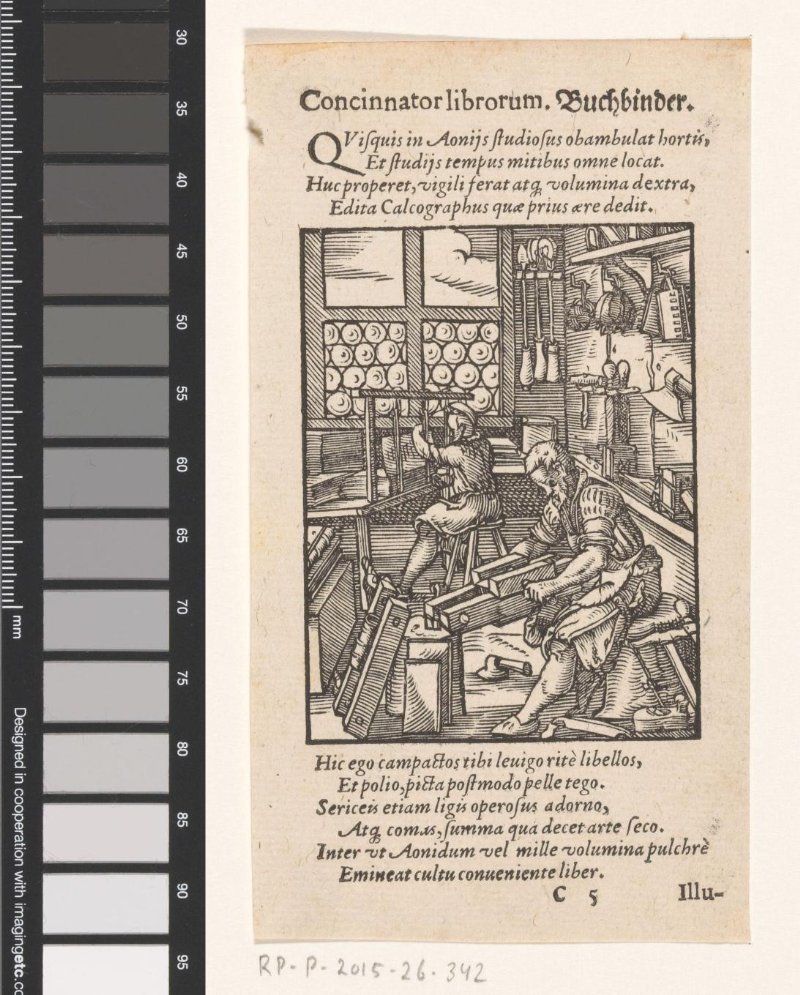
What were medieval guilds?
A guild was an association of people in the same trade in a particular town. The idea grew up as towns revived across Europe in the 1000s and 1100s. The earliest important ones were merchant guilds, which brought together the traders of a town and often won the right to control its markets. One of them, the Blackheads of Riga, even claims the first Christmas tree. From the 1100s and 1200s, craft guilds appeared too: separate organisations for weavers, bakers, butchers, goldsmiths, tanners, masons and dozens of other trades.
By the late 1200s, big cities had a remarkable number of them. Around 1268, Étienne Boileau, the royal official in charge of policing Paris, recorded the rules of about a hundred different crafts in his Livre des métiers, the Book of Trades. London’s guilds, later known as livery companies, grew so important that the city’s government was largely in their hands.
Towns were also places of opportunity. In many places, an unfree peasant who slipped away to a chartered town and stayed long enough without being reclaimed could win his freedom. For those who remained tied to the land, see what being a medieval serf really meant.
Apprentice, journeyman, master
Most craft guilds were built around three stages of a working life.
The apprentice was usually a boy in his teens, although some girls were apprenticed too, often in textile trades. He was bound to a master by a contract called an indenture, usually with his parents’ backing. The apprentice lived in the master’s house, ate at his table, worked in his shop and learned the trade. In return he owed obedience, and couldn’t marry, gamble or wander off. Terms varied, but in England seven years was common. Growing up in the Middle Ages, including the long road to becoming an apprentice, has its own article on medieval childhood.
The journeyman had finished his apprenticeship and could now work for wages. The word comes from the French journée, a day: he was paid by the day. In some regions, especially in German lands, journeymen travelled from town to town for years, picking up skills from different masters before settling down.
The master could open his own workshop, take on apprentices and vote in the guild. To get there, a journeyman often had to pay a fee and prove his skill by producing a piece of work for the guild’s officials to inspect. That test piece was his masterpiece. The word has kept its prestige ever since, even if most of us now use it for paintings rather than shoes or barrels.
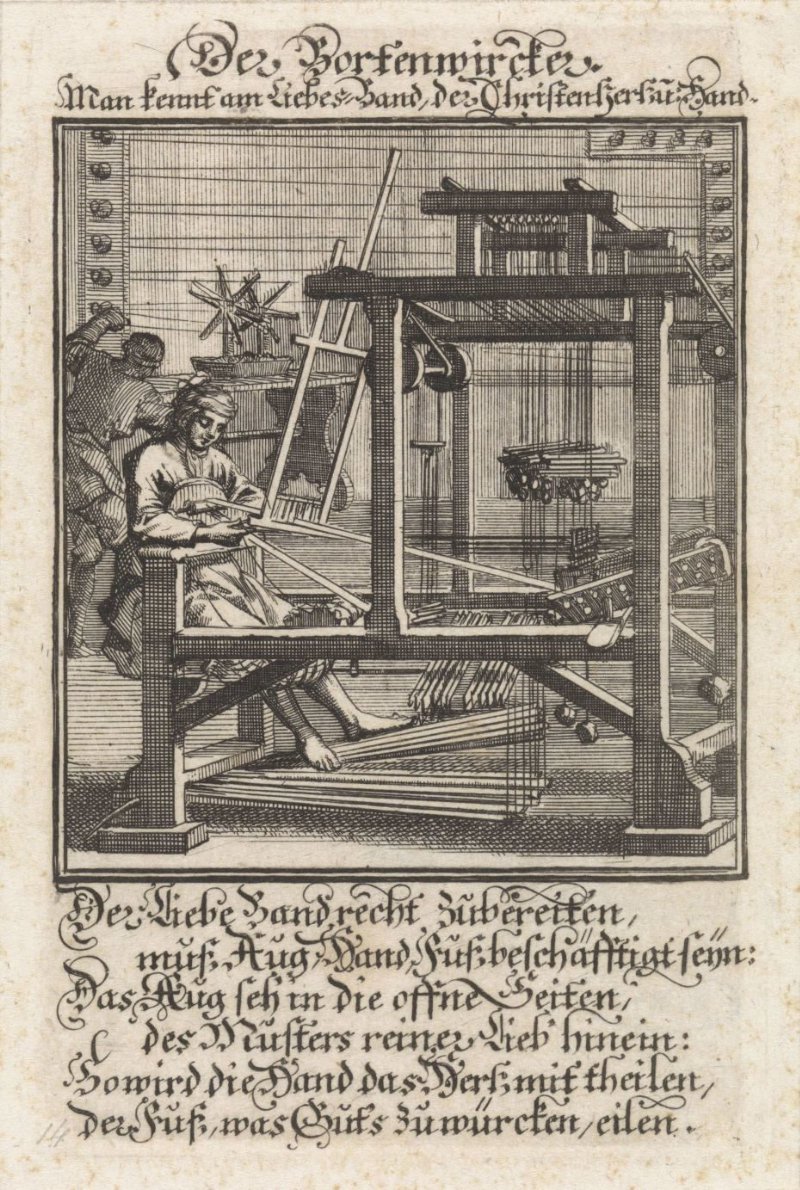
Rules, prices and punishments
Guilds were not just friendly clubs. Above all, they existed to shield their members by limiting competition and keeping quality up. Guild rules set prices, standards and working hours, decided how many apprentices a master could take, and often banned working by candlelight, when shoddy work was easier to hide. Officials called wardens or searchers inspected shops and could seize bad goods.
Cheats were punished in public. In medieval London, a baker caught selling bread that was underweight could be dragged through the streets on a hurdle with the offending loaf hung around his neck. Repeat offenders might end up in the pillory or banned from the trade. The “baker’s dozen”, thirteen instead of twelve, is often explained as bakers adding an extra loaf to be safe from such penalties, although that origin is a popular story rather than a proven fact.
The flip side of all this protection was that guilds could be closed shops. Entry fees, family connections and long training made it hard for outsiders to set up in business, and guilds fought hard against anyone who worked in their trade without joining.
More than a trade union
A guild was also a kind of mutual aid society and a religious brotherhood. Members paid regular dues, and the guild used the money to help members who were sick or poor, to support widows and orphans, and to pay for funerals and Masses for the souls of dead members. Most guilds had a patron saint, a chapel or altar in a local church, and a great annual feast that was often the social event of their year.
Some guilds had their own splendid halls, where they met, feasted and did business. They also marched in town processions, and in some English towns they put on religious plays. In York, the cycle of mystery plays was divided between the guilds, each responsible for its own pageant wagon and scene: the shipwrights staged the building of Noah’s Ark, and the bakers performed the Last Supper.
Women could play a real part in medieval guilds, although usually a smaller one than men. A master’s widow often carried on his business and kept his place in the guild. In Paris, Boileau’s book records crafts dominated by women, such as some of the silk trades, and in London silkwomen were a recognised group of skilled workers, even though they never formed a full guild of their own.
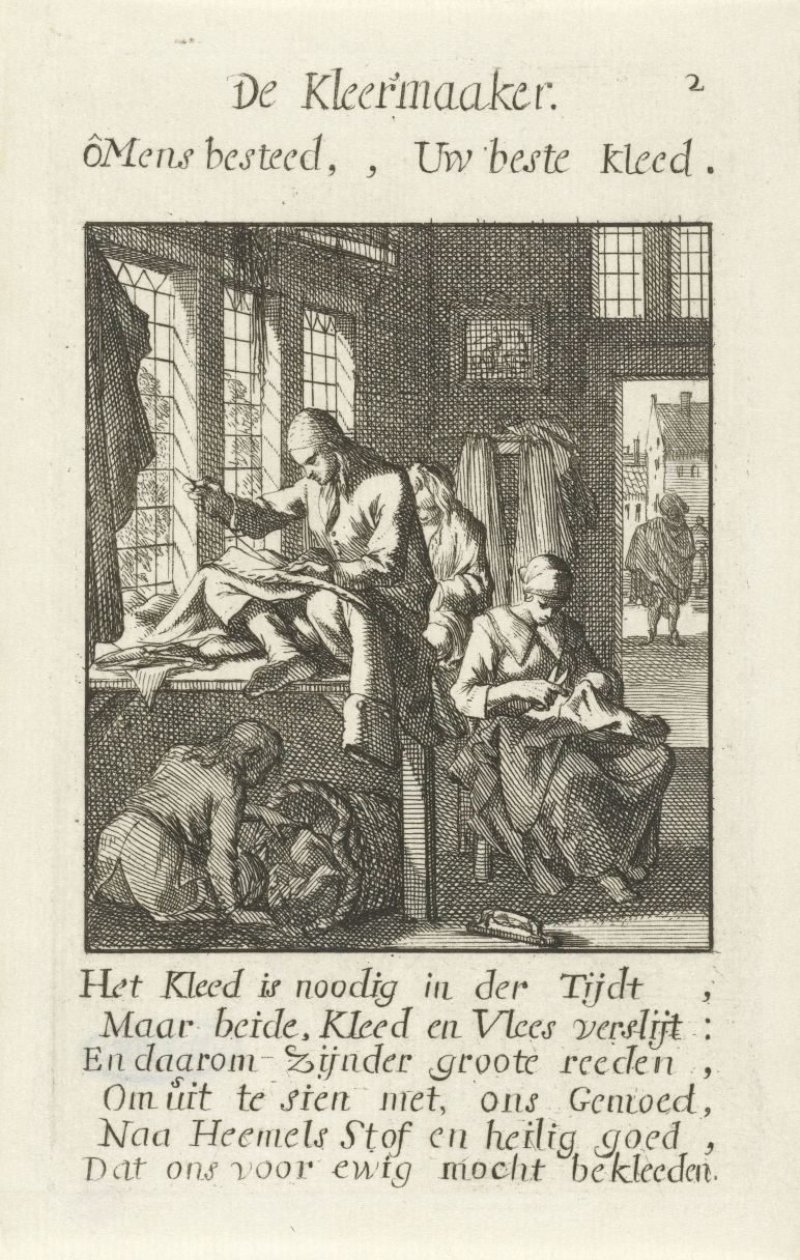
“At sixes and sevens”
Guilds took their dignity very seriously, sometimes absurdly so. In London, two great companies, the Skinners and the Merchant Taylors, quarrelled for years over which of them should come sixth in the order of precedence in civic processions. In 1484 the Lord Mayor settled the matter by ruling that they should swap places every year, sixth one year and seventh the next. The two companies still alternate today, and the story is often given as the origin of the phrase “at sixes and sevens”, though the expression itself is older.
What happened to the guilds?
Over the following centuries, guilds came under growing criticism for blocking competition and new methods of production. As trade and industry changed, many lost their power. Revolutionary France abolished its guilds in 1791, after an earlier attempt in 1776 had been reversed. In Britain they faded more slowly, and many London livery companies still exist as charities, social clubs and keepers of tradition, with their ancient halls and their order of precedence intact.
Medieval guilds shaped much of what towns became: their markets, their streets full of workshops, their festivals and their governments. They also left a mark on our language, from “masterpiece” and “journeyman” to all those Smiths and Bakers in the phone book. For the rest of the everyday picture, explore how ordinary people lived in the medieval world, or step inside a craftsman’s home in medieval houses.
Frequently asked questions
What was the purpose of a medieval guild?
To protect the members of a trade in a town: controlling who could work, setting prices and standards, training apprentices and supporting members and their families in hard times.
How long was a medieval apprenticeship?
It varied by trade and place, but around seven years was common in England, usually starting somewhere in the teens.
Where does the word “masterpiece” come from?
From the guilds. A journeyman often had to submit a piece of his best work to the guild’s officials to prove he deserved to become a master.
Do guilds still exist today?
In a sense. London’s livery companies descend from medieval guilds and still exist, though mostly as charities and social organisations rather than controllers of trades.
Sources
- Wikipedia, Guild
- Wikipedia, Livery company
- Wikipedia, Apprenticeship
- Wikipedia, York Mystery Plays
- Encyclopaedia Britannica, Guild