
The First Universities: Bologna, Oxford and Paris
Gowns, degrees, lectures, exams, rowdy students and complaints about the price of books: much of what we think of as university life was invented in the Middle Ages. The first medieval universities appeared in Bologna, Paris and Oxford between the late 1000s and the 1200s. Bologna and Oxford are still going, and Paris lives on in its modern successors. Their students fought with townspeople, lived in cheap lodgings, studied in Latin and could spend more than a decade working towards the top degree. In Bologna, the students even hired and fined their own professors. Here’s how the first universities began and what it was really like to study in one.
Jump to a section:
Before the universities
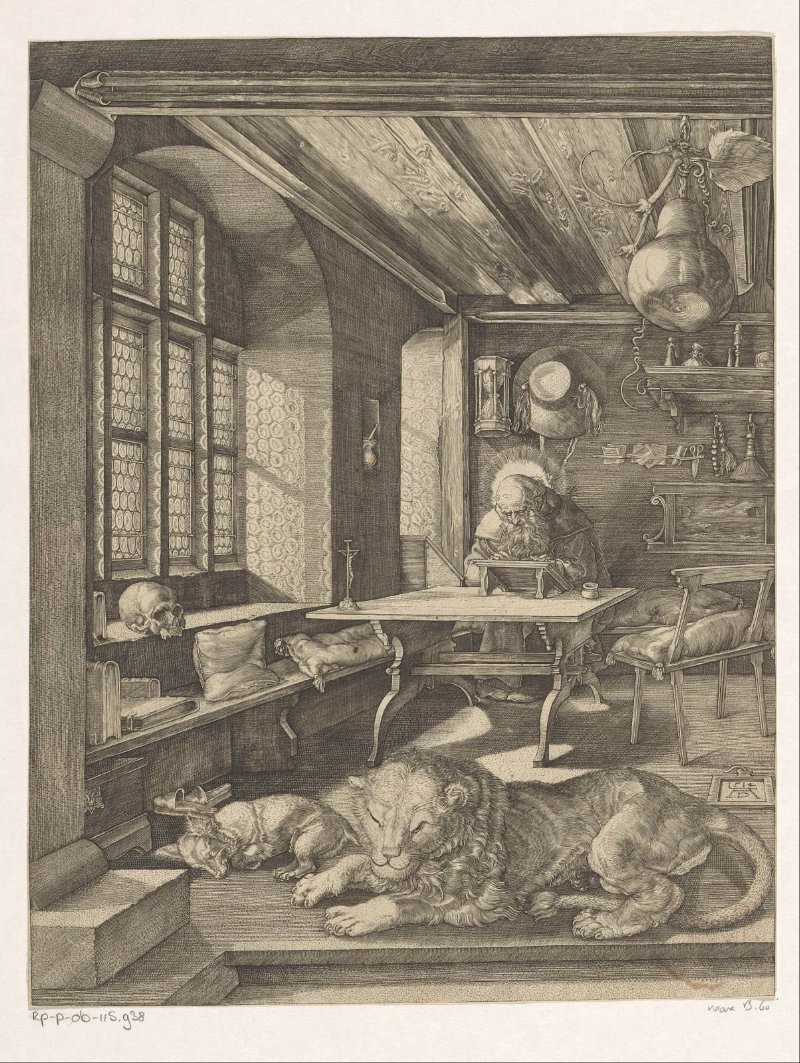
In the early Middle Ages, most education took place in monasteries and cathedral schools. Monks and clergy taught Latin, Scripture and the basics of learning so that the Church would have literate priests and administrators. For a glimpse of the monastic world that kept that learning alive, see daily life in a medieval monastery.
From the late 1000s, things began to change. Towns were growing, trade was reviving, and new texts of Roman law and Greek philosophy, often reaching Europe through translations from Arabic, were creating demand for experts. Famous teachers drew crowds of students to particular cities, and those crowds slowly turned into permanent institutions.
What does “university” actually mean?
The word didn’t originally mean a place. In medieval Latin, a universitas was simply a corporation or association, a group of people with shared rights and rules, much like a guild. A university was the guild of the teachers and students, organised to protect its members. The words for the place where teaching happened were different, such as studium generale, a school open to students from everywhere.
Bologna: where the students were in charge
Of all the medieval universities, Bologna, in northern Italy, is usually counted as the oldest university in the western world. Its traditional founding date is 1088, a date chosen in the 1880s by a committee of historians led by the poet Giosuè Carducci to mark the start of organised teaching there. It became the great centre for the study of law.
Bologna’s students were often grown men from all over Europe, and as foreigners they had few rights in the city. So they formed their own associations to protect themselves, and the student organisations became remarkably powerful. They hired the professors, paid their salaries and could fine them for starting a lecture late, ending early or skipping a difficult section of the text. It’s a model that some modern students might find rather appealing.
Paris: the university of the masters
Paris grew out of the cathedral school of Notre-Dame and other schools on the city’s Left Bank. By around 1200 its teachers had formed a corporation, and in that year King Philip II granted the scholars special legal privileges. In 1231 Pope Gregory IX issued a famous bull, Parens scientiarum, “Mother of the sciences”, confirming the university’s independence. Paris was run by its masters rather than its students, and it became the leading centre for theology and philosophy in Europe.
Oxford, Cambridge and a deadly pub fight
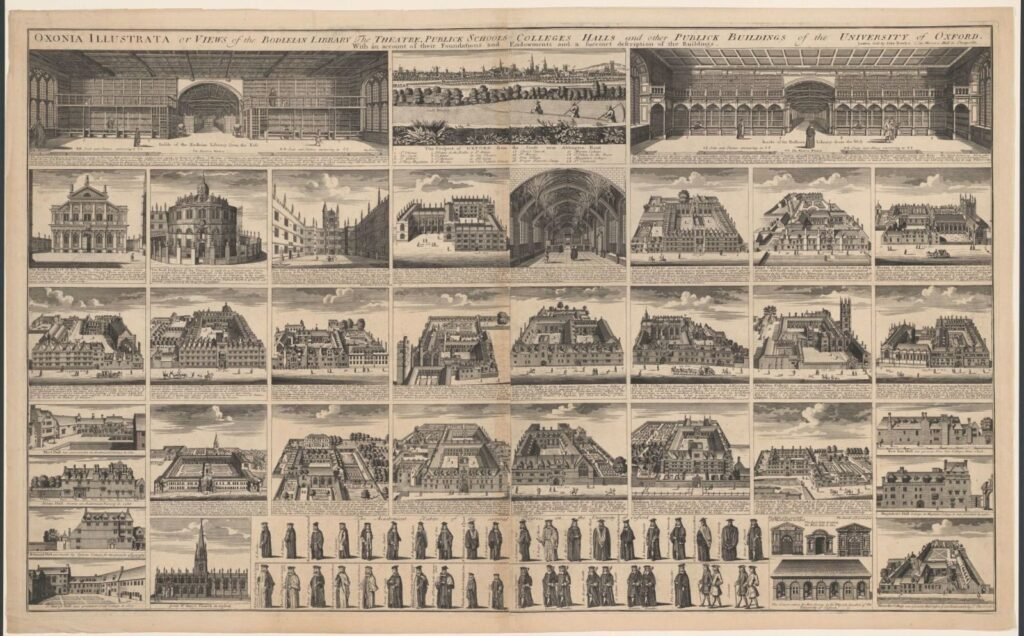
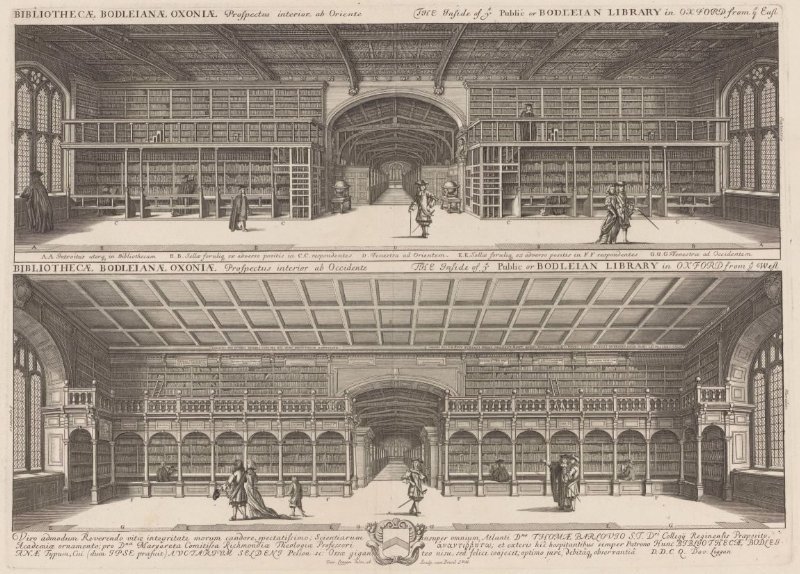
Teaching at Oxford existed in some form by 1096, and the town grew rapidly as a centre of learning after 1167, when King Henry II temporarily barred English scholars from studying in France. Relations between scholars and townspeople, known as “town and gown”, were often bitter. In 1209, after a woman was killed in the town and townsmen hanged two or three students in revenge, many scholars fled. Some settled in Cambridge, and that’s how the University of Cambridge began.
The worst clash came on 10 February 1355, St Scholastica’s Day. An argument between students and a tavern keeper over the quality of the wine turned into a riot that lasted two or three days. Around 63 scholars and perhaps 30 townspeople were killed. As punishment, the mayor and councillors had to attend a Mass every year on St Scholastica’s Day and pay a penny for each scholar killed. The penance wasn’t abandoned until 1825.
What did medieval students study?
Most students began in the faculty of arts, studying the seven liberal arts. These were divided into two groups:
- The trivium: grammar, rhetoric and logic, the skills of reading, arguing and speaking well.
- The quadrivium: arithmetic, geometry, music and astronomy, the mathematical sciences.
At medieval universities, much of the arts course was dominated by logic and by the works of Aristotle. Medieval scholars were well aware the Earth was a sphere, as our piece on the myth of a flat medieval Earth shows. After the arts degree, a student could go on to one of the higher faculties: theology, law or medicine. Theology took the longest. Earning a doctorate there could take ten years or more after the arts course, and the minimum age for teaching theology was often 30 or older.
Students typically arrived in their early to mid teens. They became bachelors after a few years and masters later on. Teaching was in Latin, which was the common language of educated Europe, so a student from Scotland could study in Paris or Bologna without a language barrier in the classroom.
Lectures, disputations and very expensive books
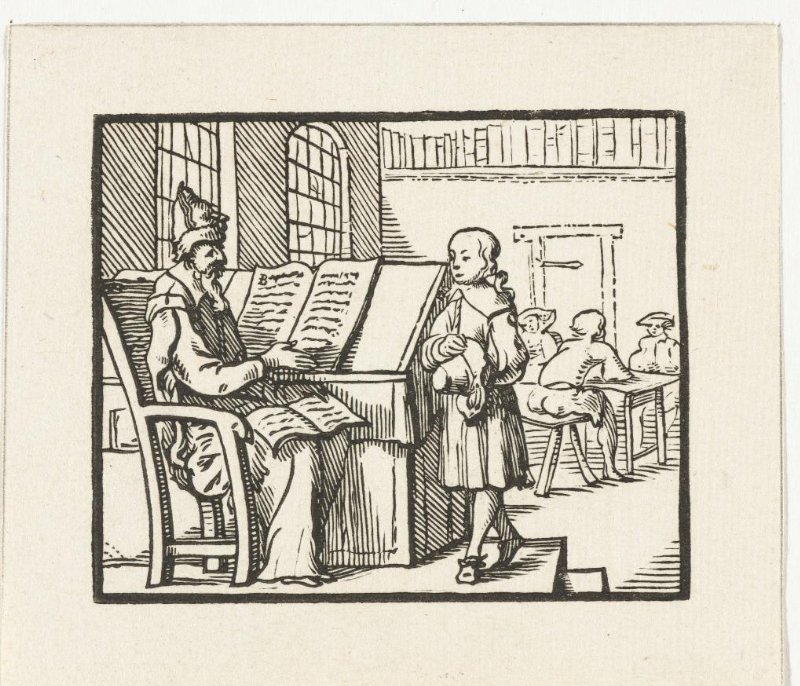
Our word “lecture” comes from the Latin for “reading”. A medieval lecture was exactly that: a master reading out a set text and explaining it, line by line, while students listened and took notes on wax tablets or scraps of parchment. Books were handwritten and extremely expensive, so most students couldn’t afford their own. Universities developed a clever system in which approved copies of texts were rented out to scribes in sections, called peciae, to be copied quickly. How such books were made is explained in how illuminated manuscripts were made.
The other key exercise was the disputation, a formal debate in which students and masters argued both sides of a question according to strict rules of logic. Being able to argue well was the main skill a medieval university taught, and examinations often took the form of a public debate.
Student life at medieval universities
Medieval students were almost all male, and most were technically members of the clergy, which gave them an important privilege: they usually answered to church courts rather than to the town’s judges. That helps explain why townspeople found them so infuriating. Students lived in lodgings or in halls run by masters, and later in endowed colleges, which began to appear in Paris from the late 1100s and in Oxford in the 1200s.
Surviving letters show students writing home for money, complaining about the cost of books, rent and clothes. The authorities, meanwhile, issued endless rules against gambling, carrying weapons, frequenting taverns and playing loud music at night. Some things never change.
The spread of medieval universities
After Bologna, Paris and Oxford came many more: Cambridge, Salamanca, Padua, Naples, Montpellier, and later Prague, Vienna, Kraków and Heidelberg. By 1500 there were dozens across Europe. Medieval universities trained the lawyers, doctors, priests and officials who ran church and state, and they created the framework of degrees, faculties and academic ceremonies that universities around the world still use. Their link with the Church remained close throughout; for more, see the medieval Church.
Frequently asked questions
What is the oldest university in the world?
Bologna, founded by tradition in 1088, is usually called the oldest university in the western world. Some institutions outside Europe, such as al-Qarawiyyin in Fez, are older as places of learning, but whether they count as universities in the same sense is debated.
How old were medieval university students?
Most began in their early to mid teens. Students in the higher faculties, such as law and theology, could be in their twenties or thirties.
Could women attend medieval universities?
No. Universities were closed to women throughout the Middle Ages, with only a few rare and debated exceptions in Italy.
What language were lectures given in?
Latin. It was the shared language of the Church and of learning across Europe, which made it easy for students to study abroad.
Sources
- Wikipedia, Medieval university
- Wikipedia, University of Bologna
- Wikipedia, St Scholastica Day riot
- Wikipedia, University of Paris
- Encyclopaedia Britannica, University