
What Did Knights Wear Under Armour?
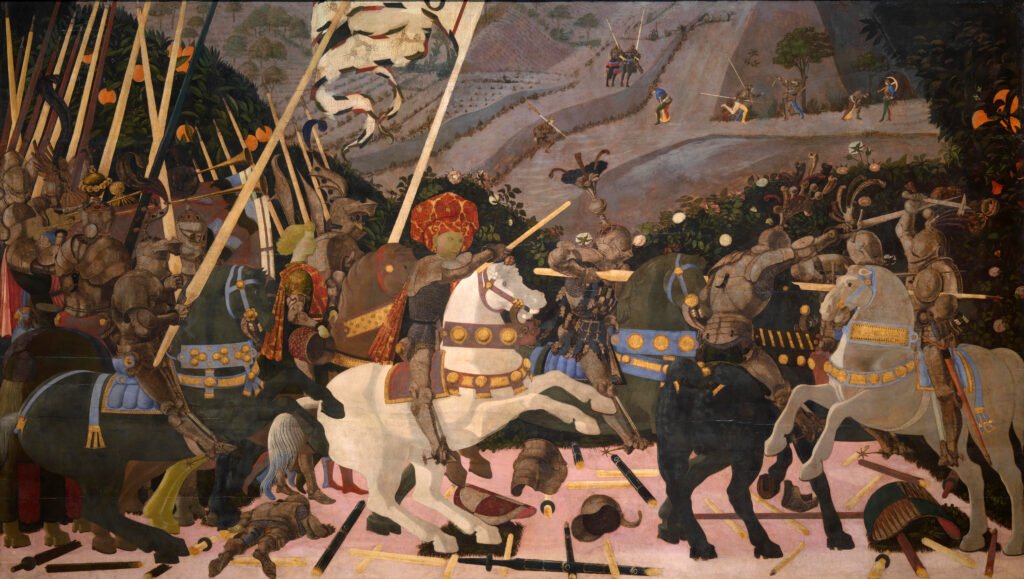
When we picture a medieval knight, we see shining steel from head to toe. But nobody pulled a suit of plate armour straight over bare skin, or even over ordinary clothes. Steel rubs, pinches and hits hard, and mail without padding would let a blow break your bones even if the rings held. So what did knights wear under armour? The answer is a whole wardrobe of hidden layers: quilted coats stuffed with wool or cotton, padded doublets with laces, small patches of mail, thick hose and padded caps. Here is what was really underneath.
Jump to a section:
Why knights could not wear normal clothes under armour
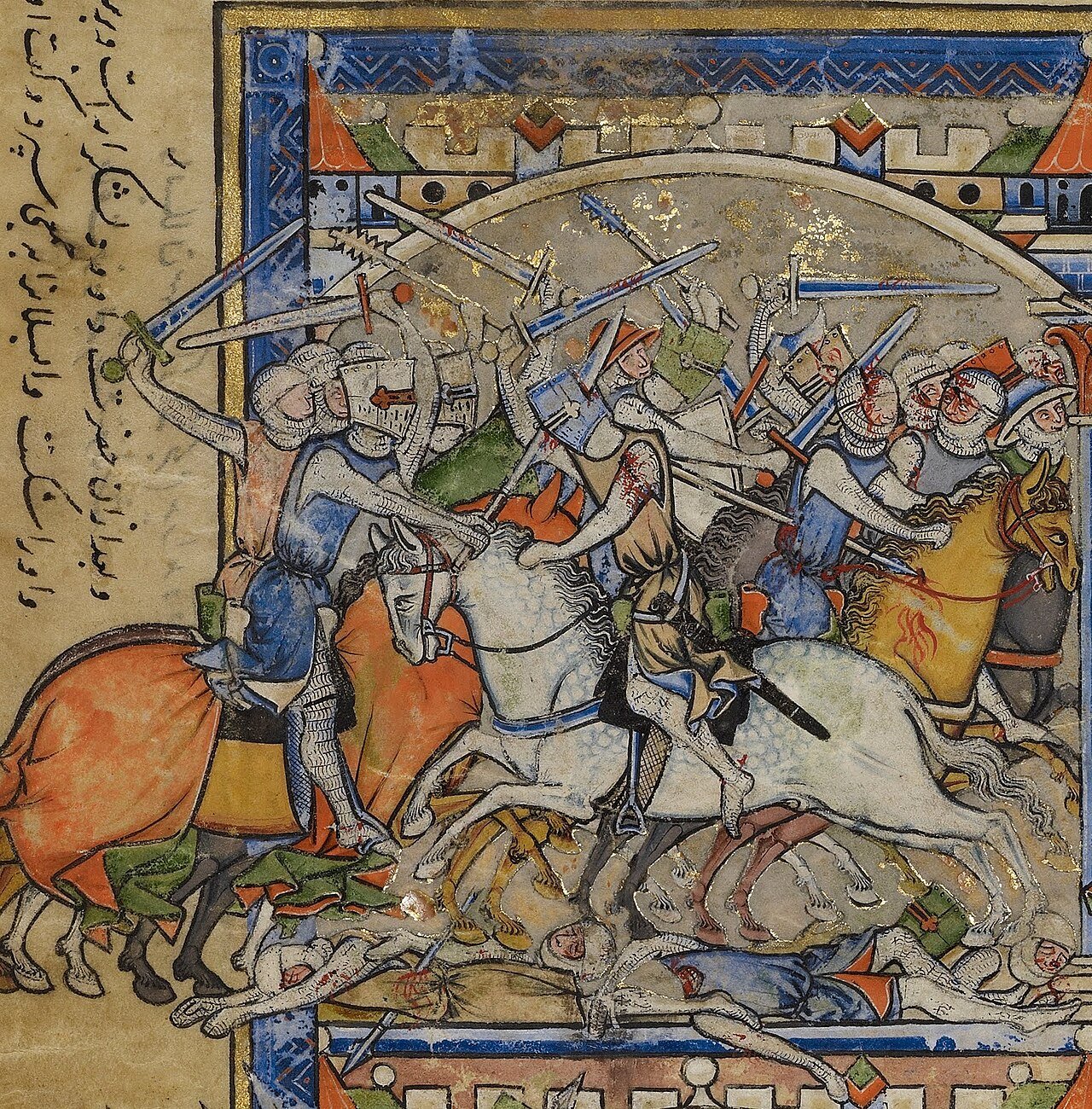
The armour historian Charles ffoulkes put it simply in his book Armour and Weapons: a man could not wear his ordinary clothes under his armour, because the friction of the metal was too great. Steel and mail quickly wore through cloth. In 1591, the English soldier Sir John Smith warned that no man should wear slashed doublets under armour, because armour “doth quickly fret them out.” Padding also had a second job. Mail stops a blade from cutting, but it does not stop the force of the blow. Without something soft underneath, a sword or mace could still break bones.
The gambeson and the aketon: quilted coats
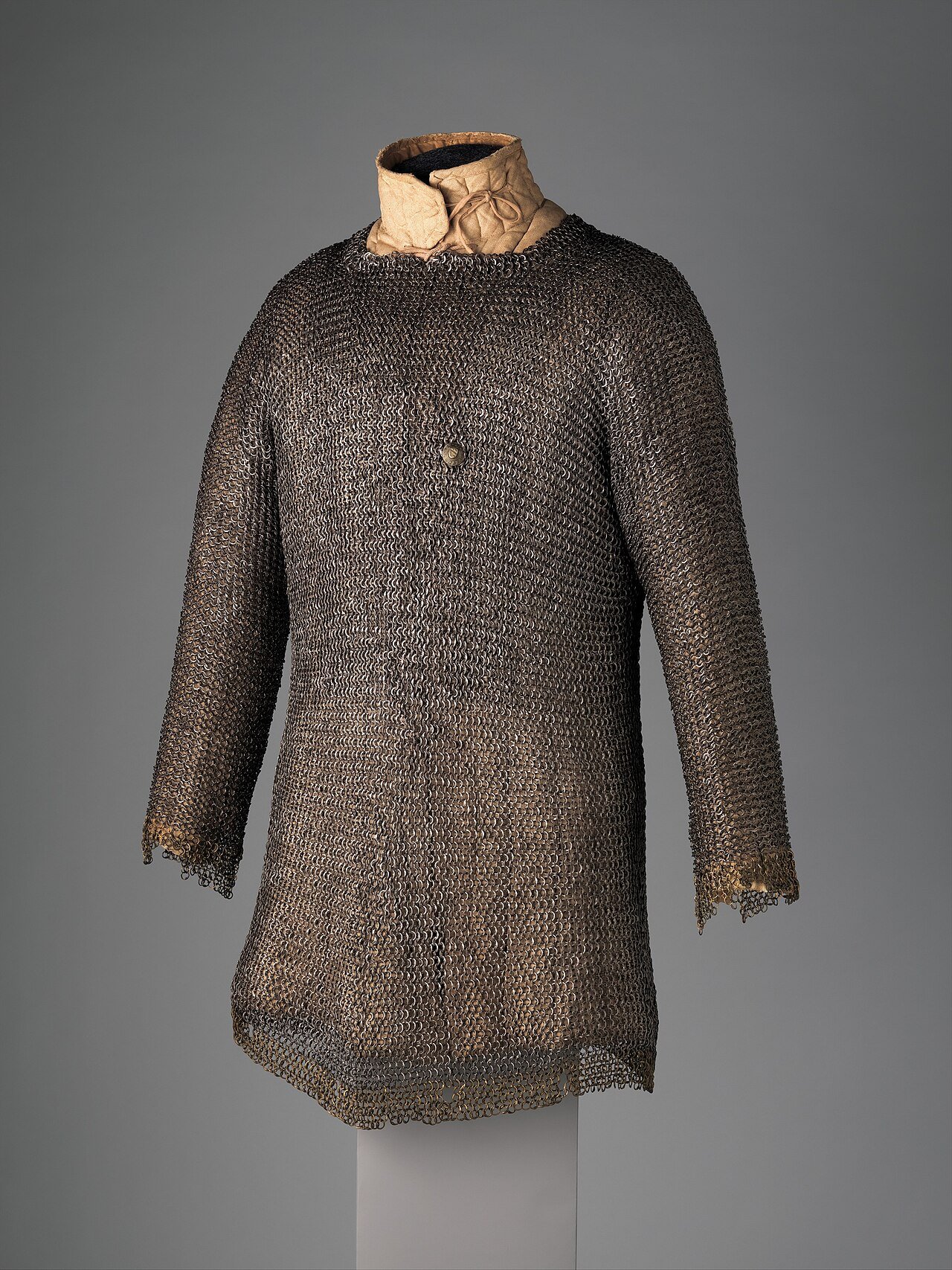
The oldest answer to what did knights wear under armour is a quilted coat. According to the Metropolitan Museum of Art, mail was worn over quilted garments and quilted leggings, and the gambeson was a “many-layered and heavily quilted body armor” worn under mail and early plate. Alexi Goranov, writing for myArmoury, explains that historians often call the padded coat worn under armour an aketon. These coats usually had a linen shell, stitched in long vertical tubes and stuffed with wool, cotton, tow, rags or even animal hair. Wool was the favourite, probably because it breathed better.
The names are a bit confusing, even for experts. According to the same myArmoury article, the gambeson was often a thicker garment that could also be worn over the mail, covered in rich silk and painted with the knight’s coat of arms. Effigies of knights from the 14th century sometimes show two quilted layers, one under the mail and one on top. Poorer soldiers who could not afford metal at all often wore the padded coat on its own, as their only armour.
What did knights wear under armour in Chaucer’s time?
Medieval writers took these layers for granted. In the Canterbury Tales, written at the end of the 14th century, Geoffrey Chaucer describes his Knight arriving straight from war. His tunic is made of fustian, a strong cloth probably woven from linen and cotton, and it is stained by his mail coat: “Of fustian he wered a gypon, / Al bismotered with his habergeon.” The Knight has not even changed his clothes before setting off on pilgrimage. Anyone who has ever handled old iron knows those rusty marks well.
The arming doublet: tied into your armour
When full plate armour arrived in the 15th century, what did knights wear under armour changed. The Met explains that under plate the wearer put on “a specially fitted and padded garment called an arming doublet.” Pieces of armour were tied to it with arming points, strong laces or ribbons, so the steel stayed in place when the knight moved. Arming doublets were often thinner than the old quilted coats, because the plate now took the blows. Even in the 16th century, an order quoted in Hall’s Chronicle still required “every man to hav an armyng doublet of ffustyean or canvas”.
A 15th-century guide to getting dressed
The best evidence for what did knights wear under armour is a real set of instructions. A manuscript made in England for the knight Sir John Astley, who died in 1486, now at the Morgan Library in New York, contains a text called “How a man schall be armyd at his ese when he schal fighte on foote”. According to ffoulkes, it says to wear no shirt, only a doublet of fustian lined with satin and cut full of holes to let the air in. Small pieces of mail were tied under the armpits and at the elbows with arming points, to cover the gaps between the plates.
The same text tells the knight what to wear on his legs and feet. According to ffoulkes, he put on a pair of thick worsted hose, made of wool, and shoes of stout leather. The steel shoes, called sabatons, were strapped onto these leather shoes. Then the squire began to arm him. The Met explains that knights were armed from the feet up, starting with the legs, then the body and arms, with the helmet and gauntlets last. That was one of many jobs for a young squire.
Padding for the head and shoulders
The head needed padding too. myArmoury notes that knights wore a padded arming cap under the mail hood, and ffoulkes writes that the heavy tilting helm came with a thick padded cap fixed by straps. He even mentions a “stuffer of bacynetts”, a craftsman who padded helmets, travelling with the army of Henry V, the king who won at Agincourt. For the shoulders, King René of Anjou advised a padded garment stuffed three fingers thick, “for there the blows fall heaviest”, and four fingers thick, filled with cotton, in Brabant and the Low Countries.

Were knights hot inside all those layers?
Almost certainly. Wool, linen, padding and steel together trapped a lot of heat, which is why the arming doublet in the Astley manuscript was full of holes. In 2011, researchers from the University of Leeds and the Royal Armouries tested replica armour on volunteers who walked and ran in it. According to the Royal Society, they used more than twice the energy of people without armour and felt breathless as soon as they started moving. We explain the study in our article on how heavy medieval armour was.
A padded jacket that survived
Almost no medieval padded clothing has survived, which makes one jacket very special. In the Musée des Tissus in Lyon there is a quilted pourpoint linked to Charles of Blois, Duke of Brittany, who was killed at the Battle of Auray in 1364. It was once kept as a relic in Angers. The garment is made of silk brocade decorated with eagles and lions, padded inside with cotton and silk, and has thirty-two buttons. Whether he wore it under armour we cannot be sure, but it shows how fine these hidden layers could be.
What do I think?
Before writing this, if you had asked me what did knights wear under armour, I would have said a shirt. I imagined a knight stepping into his armour like a pair of boots. Learning about all these layers changed that. Before the fighting even started, he had to be laced into a padded doublet, wear thick wool in the summer heat and wait while his squire tied every piece in place. Now I understand why the arming took so long, and I have much more respect for the men who fought a whole day like that.
So, what did knights wear under armour?
Several layers, each with its own job. Under mail, knights wore a quilted coat stuffed with wool or cotton, often called an aketon or gambeson, plus padded leggings and a padded cap. Under plate, they wore a fitted arming doublet with laces to hold the steel, small patches of mail in the gaps, thick wool hose and leather shoes. This padding softened blows, stopped the metal from rubbing and kept every piece in place, much like the medieval clothing of ordinary people kept linen next to the skin.
Frequently asked questions
What did knights wear under armour?
Under mail, a quilted coat called an aketon or gambeson. Under plate armour, a padded arming doublet with laces called arming points, small pieces of mail at the armpits and elbows, wool hose and leather shoes.
What is a gambeson?
A heavily quilted coat made of layers of linen stuffed with wool, cotton or other materials. It was worn under mail, sometimes over it, and poorer soldiers often wore it alone as armour.
What is an arming doublet?
A fitted, padded jacket worn under plate armour. It had strong laces called arming points, which tied the pieces of armour to the body.
Did knights wear a shirt under their armour?
Not always. On what did knights wear under armour, a 15th-century English text on arming tells the knight to wear no shirt, only a satin-lined fustian doublet cut with holes for air.
Was armour hot to wear?
Yes. The padding and steel trapped heat, and a 2011 study found that walking and running in armour took more than twice the energy.
Sources
- Dirk H. Breiding, The Metropolitan Museum of Art, The Function of Armor in Medieval and Renaissance Europe (2002)
- Alexi Goranov, myArmoury, Quilted Armour Defenses of the High Middle Ages
- Charles ffoulkes, Armour and Weapons, The Wearing of Armour (1909)
- The Morgan Library & Museum, Ordinances of Chivalry, MS M.775
- The Royal Society, Battle weary (2011)
- Late Medieval Fashion Redressed, The pourpoint of Charles de Blois
- National Museums Scotland, A Renaissance doublet