
Did Medieval People Brush Their Teeth?
Ask anyone to imagine a medieval peasant smiling, and they will probably picture a mouth full of black, broken stumps. No toothbrush, no toothpaste, no dentist, so of course their teeth were rotten. It is one of the most popular images of the Middle Ages. But archaeologists who have studied thousands of medieval skeletons tell a very different story. Medieval people did clean their teeth, they had recipes for tooth powders and fresh breath, and in some ways medieval teeth were healthier than ours. Here is what we really know about how people looked after their teeth in the Middle Ages.
Jump to a section:
Did medieval people brush their teeth?
Not with a toothbrush like ours, but they did clean them. Medieval medical books tell people to rub their teeth and gums with a cloth or a piece of wool, often with a powder, and then rinse the mouth. According to Danièle Cybulskie of Medievalists.net, the English physician Gilbertus Anglicus recommended rubbing the teeth and gums with a cloth after eating, so that no “corrupte mater” would stay between the teeth. The Tastes of History website adds toothpicks, chewing herbs and spices for fresh breath, and rinsing with water or a mint and vinegar mouthwash. Cleaning your teeth was a normal part of medieval life.
Medieval toothpaste recipes for clean medieval teeth
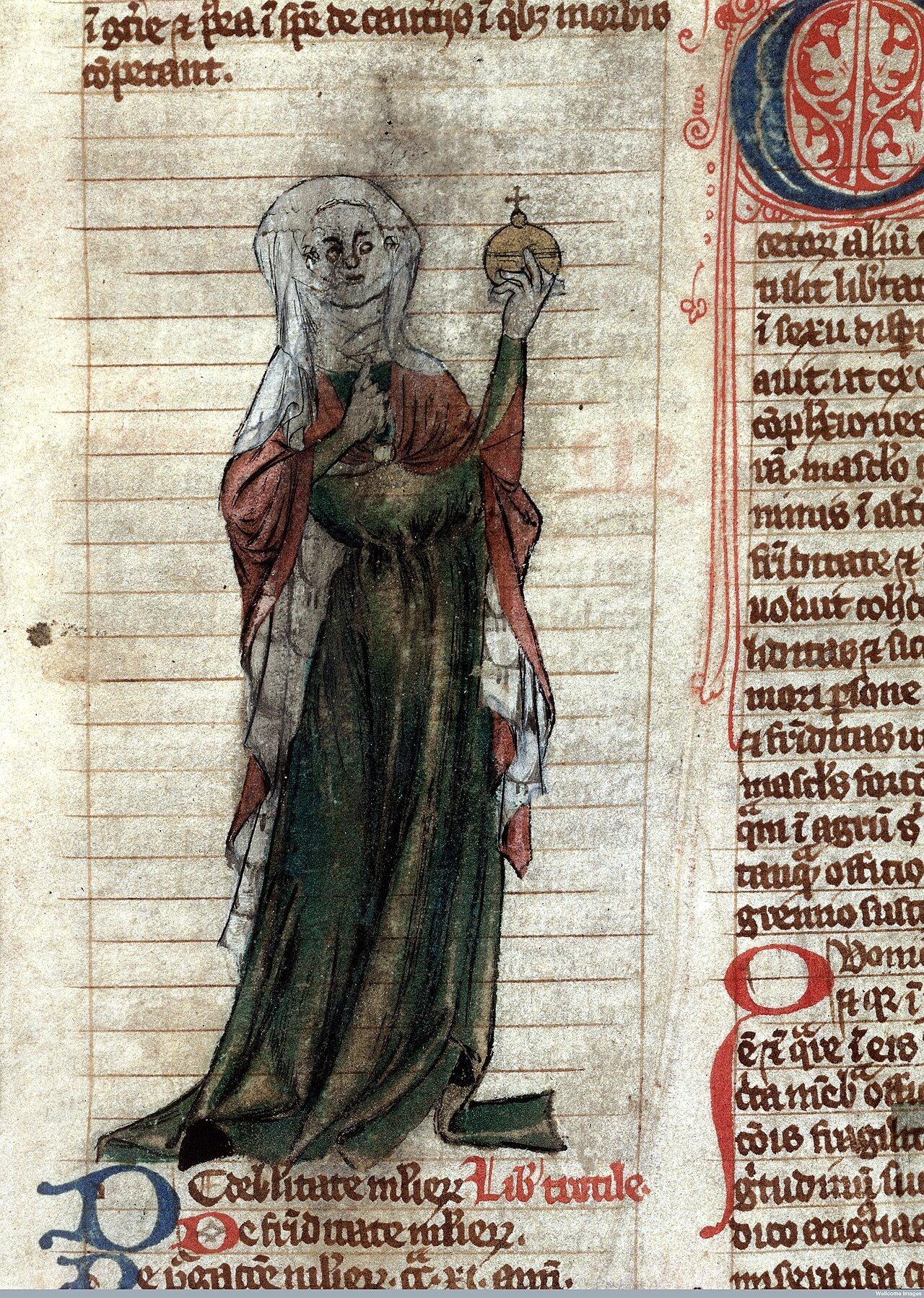
Medieval doctors left us real recipes for tooth powders, and some of them sound surprisingly modern. Gilbertus Anglicus suggested a simple mix of pepper and salt. The Trotula, a famous collection of medical texts linked to the women healers of Salerno in Italy, recommended rubbing the teeth with walnut shells three times a day and rinsing with warm wine. Another Trotula recipe used a powder of burnt white marble, burnt date stones, salt and pumice, applied with damp wool wrapped in fine linen. The Welsh Physicians of Myddfai baked sage and salt together and rubbed the powder on the teeth.
The richest people could afford luxury versions. One Trotula recipe for wealthy women, quoted by Medievalists.net, mixed cinnamon, cloves, spikenard, mastic and frankincense, the same expensive spices that we wrote about in our article on medieval spices. Lorris Chevalier, also writing for Medievalists.net, describes how the 13th-century physician Aldebrandin of Siena put his tooth powder in a small cloth bag, rubbed it on the teeth, then rinsed the mouth with wine and polished the teeth with a cloth.
Medieval teeth had fewer cavities than you think
This is the most surprising part. According to the historian Christopher Dyer of the University of Leicester, speaking to HistoryExtra, 68 per cent of the peasants buried at the deserted village of Wharram Percy in Yorkshire showed signs of tooth decay. That sounds a lot, but in a 19th-century cemetery he mentions, the figure was 79 per cent. A study published in the British Dental Journal in 2019 found the same pattern when it compared skeletons from a post-medieval London burial ground with people living in East London today: the older teeth had a lower score of decayed, missing and filled teeth.
Why medieval teeth had less decay: no sugar
Why were medieval teeth better than later ones? Dyer’s answer is simple: medieval peasants did not eat sugar. Sugar was scarce and very expensive, and only the upper aristocracy could afford it. Most people lived on bread and porridge, as you can read in our article on what medieval peasants ate. According to Tastes of History, sugar only began to arrive in Britain in large amounts in the 16th century, and tooth decay rose with it. Queen Elizabeth I, who loved sweets, suffered badly from tooth decay.

The real problems of medieval teeth: tartar and tooth loss
That does not mean medieval teeth were perfect. Dyer points out that medieval teeth were often covered in tartar, the hard deposit that a modern dentist scrapes off, and that peasants had no one to remove it. Tastes of History notes that untreated tartar leads to gum disease and tooth loss, and that an infected tooth could even kill a young and healthy person, one of many reasons behind low medieval life expectancy. According to Lorris Chevalier, skeletal studies show that around seven per cent of teeth were lost during life, and at the abbey of Saint-Pierre de l’Almanarre in France, in the 13th and 14th centuries, the figure reached about fourteen per cent.
Bad breath: medieval cures
Medieval people worried about bad breath as much as we do. Lorris Chevalier collects some of their remedies. The Trotula suggested wine mixed with myrtle for breath that came from a bad stomach. The abbess Hildegard of Bingen advised people not to sleep straight after eating, and recommended a powder of galangal, fennel and nutmeg. The French surgeon Henri de Mondeville, one of the leading names in medieval medicine, in the early 14th century, suggested chewing cinnamon or keeping nutmeg, bay leaves or mastic under the tongue, and taking scented pills “to perfume the breath so that no one may smell it.”
What happened when you had toothache?
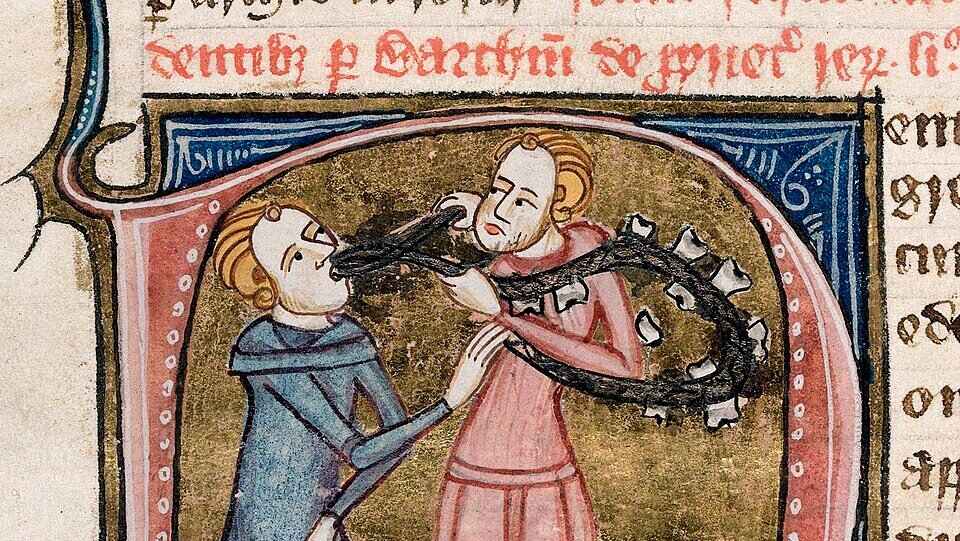
If cleaning failed, the tooth usually had to come out. Mondeville himself advised pulling a decayed tooth when it was clearly the cause of the problem. Some tooth-pullers even worked in bathhouses, as we explain in our article on whether medieval people bathed. Many people also prayed. According to the National Gallery in London, Saint Apollonia, who died in 249, had her teeth pulled out before she was martyred, so she became the patron saint of dental diseases, and people with toothache asked for her help.

What do I think about medieval teeth?
I have to admit that this one surprised me. I always imagined medieval people with terrible teeth, and I never thought that my love of sweets puts me at a higher risk of cavities than a medieval peasant. Of course, I would still choose a modern dentist over a medieval tooth-puller. But I like the idea of rinsing my mouth with wine after brushing, even if my dentist probably would not recommend it.
So, did medieval people brush their teeth?
In their own way, yes. They rubbed their teeth with cloths and tooth powders, used toothpicks, chewed herbs and spices and rinsed with wine or vinegar. Medieval teeth often had less decay than ours, mainly because sugar was a rare luxury, but tartar, gum disease and lost teeth were real problems. The image of a whole population with black, rotten teeth is just another of the medieval myths we still believe today.
Frequently asked questions
Did medieval people have toothbrushes?
Not like ours. They cleaned their teeth by rubbing them with a cloth or wool, often with a tooth powder, and used toothpicks and chewed herbs.
What did medieval people use as toothpaste?
Powders made from salt, pepper, pumice, burnt marble, sage or walnut shells. The rich used powders with cinnamon, cloves and other expensive spices.
Did medieval people have rotten teeth?
Less than you might think. At Wharram Percy, 68 per cent of peasants showed some decay, compared with 79 per cent in a 19th-century cemetery, mainly because medieval people ate very little sugar.
How did medieval people fix toothache?
Usually by having the tooth pulled out by a tooth-puller or barber. Many also prayed to Saint Apollonia, the patron saint of toothache.
Did medieval people have bad breath?
Some did, and they tried to fix it with wine and herbs, chewing cinnamon or keeping nutmeg and bay leaves under the tongue.
Sources
- Danièle Cybulskie, Medievalists.net, Five Medieval Toothpaste Recipes (2016)
- Lorris Chevalier, Medievalists.net, Did Medieval People Have Bad Teeth and Bad Breath? (2026)
- HistoryExtra, with Christopher Dyer, Did medieval people have rotten teeth?
- Joseph S. Smith, British Dental Journal, study of dental caries in post-medieval and modern East London, vol. 227 (2019)
- Tastes of History, Dispelling some myths: rotten teeth (2024)
- The National Gallery, London, Recognising saints: tooth and pincers