
Did Medieval People Bathe? The Clean Truth About Medieval Hygiene
Picture a medieval peasant in a film and you can almost smell the screen: matted hair, grubby face, a fine layer of mud on everything. It’s become one of the most popular “facts” about the period. But did medieval people bathe, or did they really spend a thousand years quietly marinating? The honest answer will cheer up anyone who has ever sat next to a stranger on a crowded bus. They washed, they used soap, they went to bathhouses, and a few of them even had hot taps. Grab a towel. We’re going in.
Jump to a section:
Did medieval people bathe? The short answer
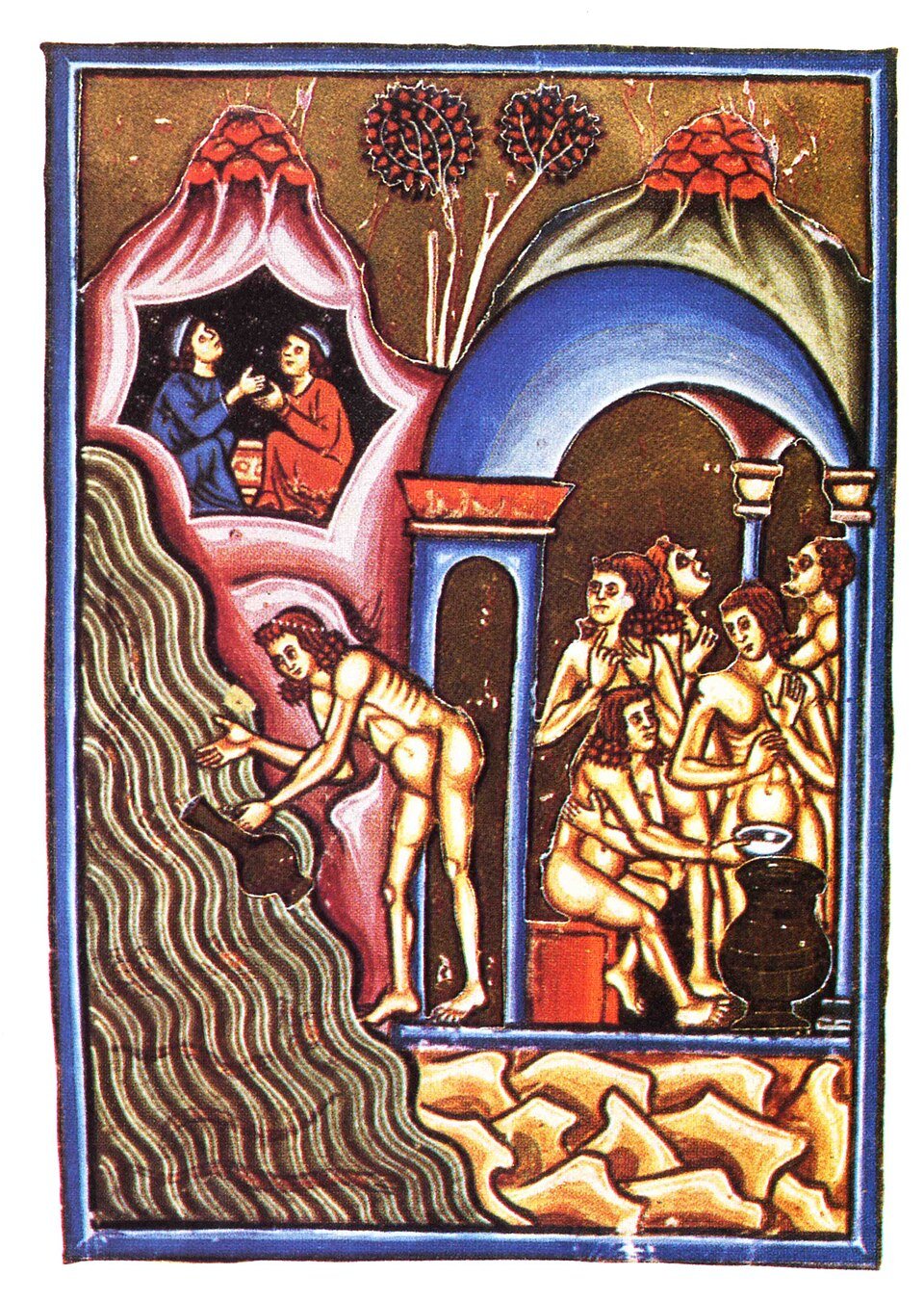
Yes, though not quite the way we do. Most people didn’t have a bathroom, a boiler or a shower that switched on with one finger. Hot water meant collecting fuel, lighting a fire and heating it pot by pot. World History Encyclopedia points out that a full bath was a bit of a treat for exactly that reason: warming all that water took fuel, and fuel cost money.
So the everyday routine was a wash, not a soak. The full bath was for special days, for people with money, or for a trip to the local bathhouse. Think of it less like a nightly shower and more like a weekly trip to the spa, except the spa was next to the bakery. More on that in a moment.
The daily wash: a basin, a jug and some elbow grease
Did medieval people bathe on an ordinary weekday? Start with the peasants. The historian Eleanor Janega explains that ordinary peasants, who made up the overwhelming majority of the population, normally cleaned themselves every day at home. Water went into a jug, was warmed if possible, and was then poured into a basin for a scrub.
Hands and faces got the most attention, and with good reason. World History Encyclopedia notes that people washed their hands and faces in the morning, and hands again before and after eating. If you were sharing a dish of stew with the rest of the table, you’d be very interested in where everyone’s fingers had been.
People also tried to smell nice. Janega describes washing water perfumed with herbs such as thyme or sage, and homemade deodorants based on plants like bay, hyssop and sage. Not exactly a spray can, but the intention was the same.
Soap: a medieval success story
Here’s a twist. Soap is not some modern luxury the Middle Ages missed out on. Janega argues that soap as we’d recognise it really took off in the medieval period, after arriving from the East, and that soap makers were organising into guilds as early as the seventh century.
Ordinary households made their own from animal fat, such as mutton or beef tallow, mixed with wood ash and similar ingredients. It would not win any prizes for fragrance, but it did the job.
At the posh end of the market, things got fancier. According to The Conversation, a green olive-oil soap scented with laurel oil was made in Aleppo, in Syria, and carried to Europe by crusaders and merchants. Janega adds that in the twelfth century, the Spanish region of Castile began making its own version with local olive oil. According to The Conversation, Castile soap became a hit with Europe’s royals, and its name is still printed on soap bottles today.
Public bathhouses: the medieval spa day
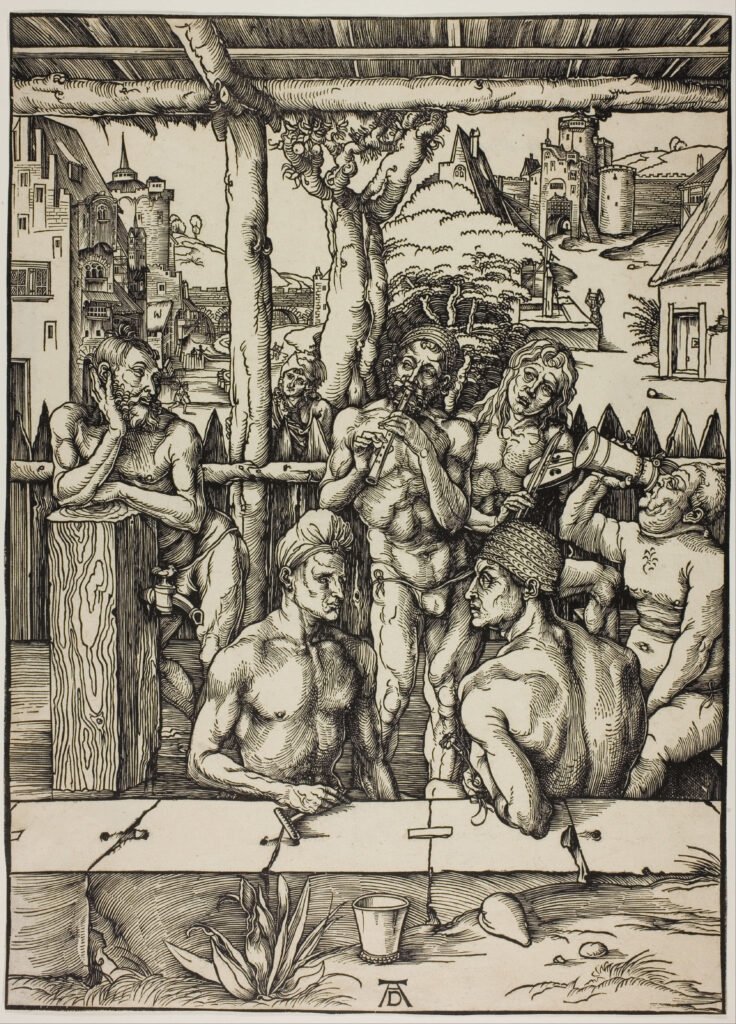
If you lived in a town, you didn’t need your own tub. You could pay someone else to do the hard work. Medieval towns had public bathhouses, and plenty of them.
Paris is the star example. Janega points to the Livre des métiers, a thirteenth-century book of Paris trade rules, showing that running a bathhouse there was a proper, regulated business, with fixed prices: two deniers for a steam bath and four for a soak in a tub. By 1292, she notes, the city had at least 26 bathhouses. Medievalists.net adds that the scholar Alexander Neckham, who lived in Paris in the twelfth century, recalled being woken up in the morning by criers announcing that the baths were hot. The medieval version of an advert, delivered straight to your bedroom window.
Smaller towns got creative. Medievalists.net explains that bathhouses were often attached to the local bakery, so the same ovens that baked the bread could warm the bathwater. Fresh bread and a hot bath on the same street. Honestly, it doesn’t sound too bad.
Bathhouses were about health as well as hygiene. The Scientist reports that in late medieval Dutch and German bathhouses, the owners, known as baders, were also licensed health practitioners who offered medical care more cheaply than doctors, pulling teeth and lancing abscesses. Some people went in for a bath and came out a tooth lighter.
When a bathhouse was not just a bathhouse
Now for the scandalous bit. In medieval London, the word for a bathhouse was “stew”. Over time, it took on a much naughtier meaning.
Medievalists.net says that Southwark, on the south bank of the Thames opposite the City of London, offered a choice of 18 hot baths, which were widely regarded as fronts for brothels. Dr Kate Lister, writing for the Wellcome Collection, explains that Southwark was the Bishop of Winchester’s territory, and that the sex workers there became known as “Winchester Geese”. Yes, a bishop. The arrangement lasted until 1546, when Henry VIII ordered the Southwark stews to be shut down.
So when medieval preachers grumbled about bathhouses, it was not always the water they were worried about.
Did medieval people bathe like kings? Royal tubs and hot taps
As you might expect, the rich bathed in style. Medievalists.net describes how King John, who ruled England in the early 1200s, travelled with his own bathtub and a servant called William whose job was to look after it. Imagine having that on your CV.
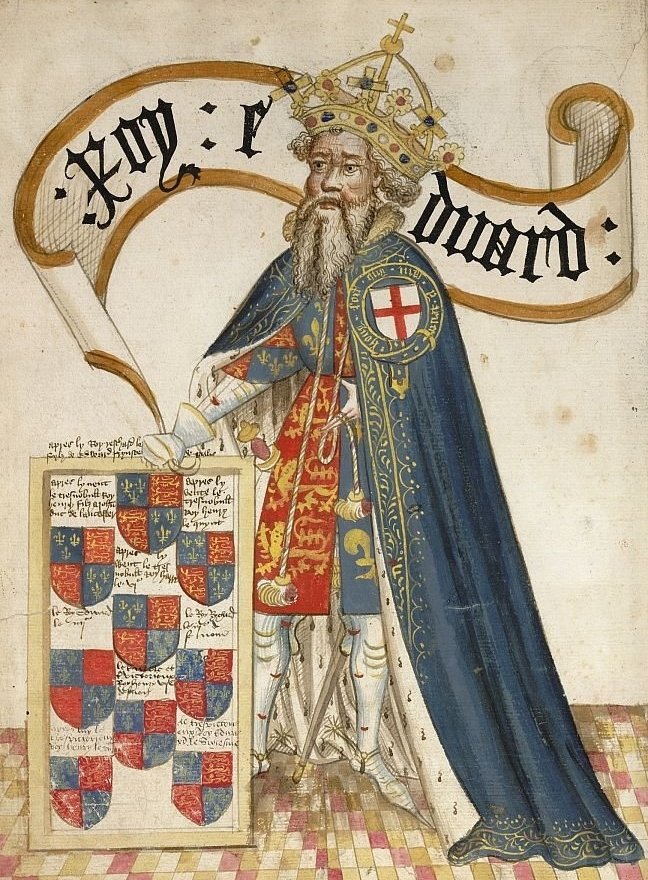
A century and a half later, Edward III went one better. In 1351, according to Medievalists.net, he paid for hot and cold water to be piped directly to his bathtub at the Palace of Westminster. Hot and cold running water, in the fourteenth century. Plenty of homes didn’t get that until the twentieth.
Bathing even turned up in ceremonies. Janega notes that most medieval knighting rituals included a scented bath. You’d want to look and smell your best before being handed a sword. Curious how those kings and knights held on to power once they were washed and dressed? The pillar piece on medieval kings tells that story.
Monks, saints and the once-a-year crowd
Did medieval people bathe if they lived in a monastery? Less often than you might expect. Monks lived under strict rules, and a long, warm soak could look suspiciously like self-indulgence. World History Encyclopedia says monks were usually limited to two or three baths a year. At Westminster Abbey, the abbey’s own history puts the figure at roughly four a year, even though the precinct had a bath house supplied with hot water, plus a separate shaving house. Medievalists.net lists when those four baths fell: at Christmas, at Easter, in late June and in late September.
That doesn’t mean monks were filthy the rest of the time. The Westminster Abbey history mentions a washing trough in the cloister, fed by water piped all the way from what is now Hyde Park. A bath was one thing. A quick wash at the trough was another.
Some holy men took things further. Medievalists.net tells the story of St Fintan of Clonenagh, an Irish saint who is said to have bathed just once a year, shortly before Easter, for 24 years. But as Janega points out, refusing to bathe was considered holy precisely because it was uncomfortable. If everyone had been unwashed anyway, it would hardly have counted as a sacrifice.
And the Vikings? According to Medievalists.net, early medieval English writers thought they were rather too obsessed with cleanliness, because they bathed once a week. Once a week. Scandalous.
Why the bathhouses closed
Here’s the real irony. The “dirty Middle Ages” myth is partly a case of mistaken identity. The big step backwards in bathing came after the Middle Ages ended.
Why, then, does anyone still ask “did medieval people bathe” at all? Blame what came next. In the 1500s, bathhouses across Europe began to close. The Scientist links their decline to waves of plague, smallpox and syphilis, and to growing advice to avoid crowded places where disease might spread. Some doctors in the sixteenth and eighteenth centuries even warned that warm water opened the pores and let sickness in, Janega explains. That fear belongs to the early modern period, not the medieval one.
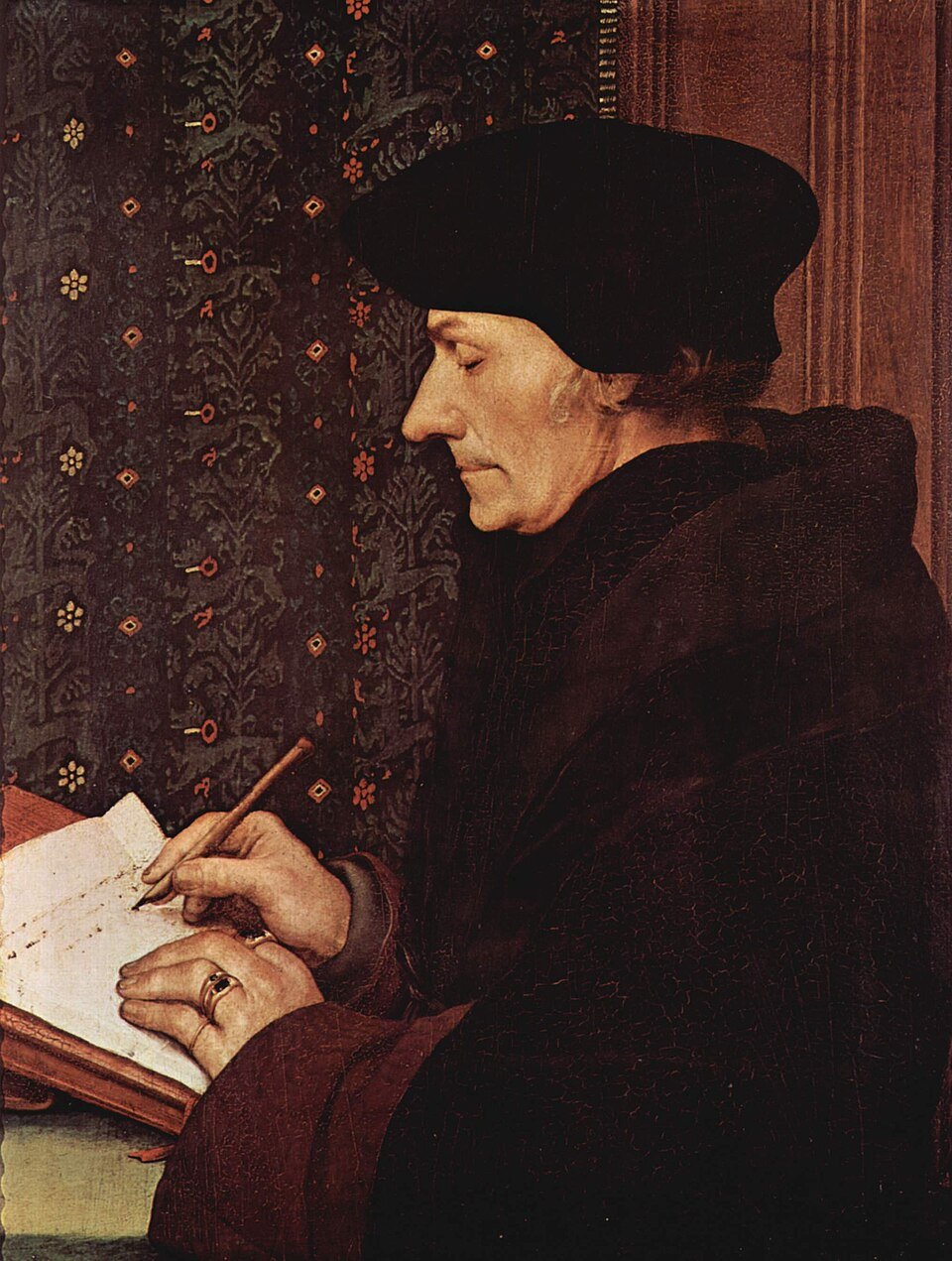
The scholar Erasmus noticed the change in his own lifetime. In 1526, as quoted by Medievalists.net, he wrote that a quarter of a century earlier the public baths had been all the rage in Brabant, in the Low Countries, but that now they had disappeared, because “the new plague has taught us to avoid them.”
So, did medieval people bathe? Yes, and far more than the myth suggests. It’s one more legend to file with the other medieval myths that collapse the moment you look at the evidence. And if you’d like to follow medieval people from the washbasin to the dinner table and on to bed, the big article on daily life in the Middle Ages covers the whole day.
Frequently asked questions
Did medieval people bathe?
Yes. Most people washed every day with a basin and jug, and full baths were taken at home or in public bathhouses, which were common in medieval towns. A full bath was less frequent than today because heating water took fuel and effort.
Did medieval people use soap?
Yes. Ordinary families made soap from animal fat and wood ash, while the wealthy could buy fine olive-oil soaps such as those from Aleppo and, from the twelfth century, Castile.
How often did medieval monks bathe?
Rules varied, but full baths were rare: often two to four times a year. Westminster Abbey’s monks, for example, had roughly four baths a year, but also had a washing trough in the cloister.
When did people stop going to public baths?
Public bathhouses declined in the 1500s, as fears of plague, syphilis and other diseases spread. That makes the “unwashed” image more true of the early modern period than of the Middle Ages.
Sources
- Medievalists.net, Did people in the Middle Ages take baths? (2023)
- Eleanor Janega, Going Medieval, I assure you, medieval people bathed (2019)
- Mark Cartwright, World History Encyclopedia, Medieval Hygiene (2018)
- Kate Lister, Wellcome Collection, The bishop’s profitable sex workers (2018)
- Clare Watson, The Scientist, Bathing Through the Ages: 1300–1848 (2023)
- The Conversation, The dirty history of soap
- Westminster Abbey, Benedictine monastery