
Medieval Toilets: How People Really Went in the Middle Ages
History books love a coronation, a crusade or a dramatic siege. What they almost never cover is the question every one of those kings, crusaders and besieged soldiers had to answer several times a day. Where did they go? We are going there today. Medieval toilets were stranger, smellier and occasionally more dangerous than you would expect, and the stories behind them are some of the most human the Middle Ages have left us. Don’t worry, we will keep it tasteful. Mostly.
Jump to a section:
Medieval toilets in one minute
Here’s the quick tour before we roll up our sleeves (and hold our noses):
- In castles, people used a garderobe: a small room with a seat over a shaft that dropped waste outside the walls, into a moat, a river or a pit.
- In homes, people used chamber pots, and many houses had a privy over a cesspit in the yard.
- In towns, there were public latrines, and some of them were very big.
- Somebody had to empty it all. That somebody had one of the worst jobs in history.
Ordinary life is the beating heart of the Middle Ages, and if you want the bigger picture of how people worked, ate and slept, start with the pillar article on daily life in the Middle Ages. Then come back here for the bit nobody talks about.
Medieval toilets in castles: a room with a view (straight down)
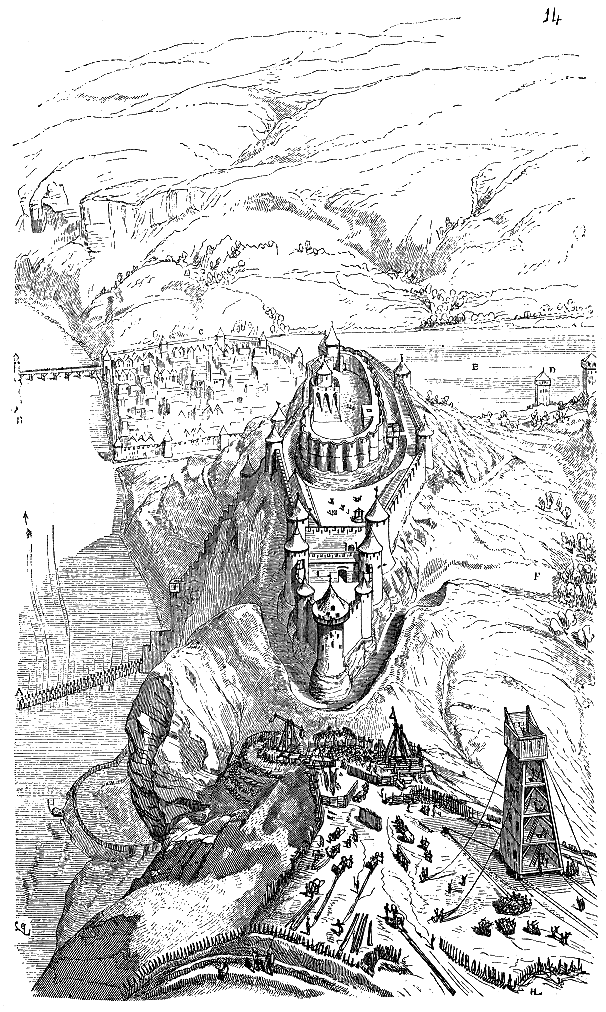
In a castle, the toilet was usually built into the thickness of the wall or stuck out from it on stone brackets. You sat on a stone or wooden seat over a hole, and gravity did the rest. World History Encyclopedia explains that the waste might drop into the moat, straight into a river, as at Chepstow Castle in Wales, or into a pit at the foot of the wall, as at Dover Castle.
Some castles took the job very seriously. Bodiam Castle in Sussex had 28 of them, all draining into its moat. That’s a lot of seats. It’s also a strong argument for not taking a swim in the moat.
The name garderobe later came to mean “wardrobe” in French, but World History Encyclopedia suggests it probably started out as a word for any small room or cupboard. Medieval people had plenty of other names for it too: privy, draught, gong, necessarium and, our personal favourite, the Golden Tower. Somebody in the Middle Ages clearly had a sense of humour.
And here’s a fun bonus fact: it was not unusual to hang clothes near the latrine. The same encyclopedia explains that the sharp smell of ammonia did a fine job of killing the mites living in the fabric. Freshly fumigated tunic, anyone?
When the toilet let the enemy in
A shaft running down the outside of a wall is handy for the people inside. It is also, unfortunately, a hole in your defences.
The most famous example is Château Gaillard in Normandy, a mighty castle built by Richard the Lionheart. When the French besieged it in 1203 and 1204, French attackers found their way in by climbing up a latrine shaft. Not the most glamorous route into history, but it worked. Afterwards, World History Encyclopedia notes, a masonry wall was built around the exit of the shaft. Lesson learned, very much the hard way.
If you enjoy creative ways of getting into castles, there are plenty more, from tunnels to siege towers, in our article on medieval siege warfare. Very few of them are as unpleasant as this one.
A king complains about the smell
Being royal didn’t make the problem go away. It just meant you could order someone else to fix it.
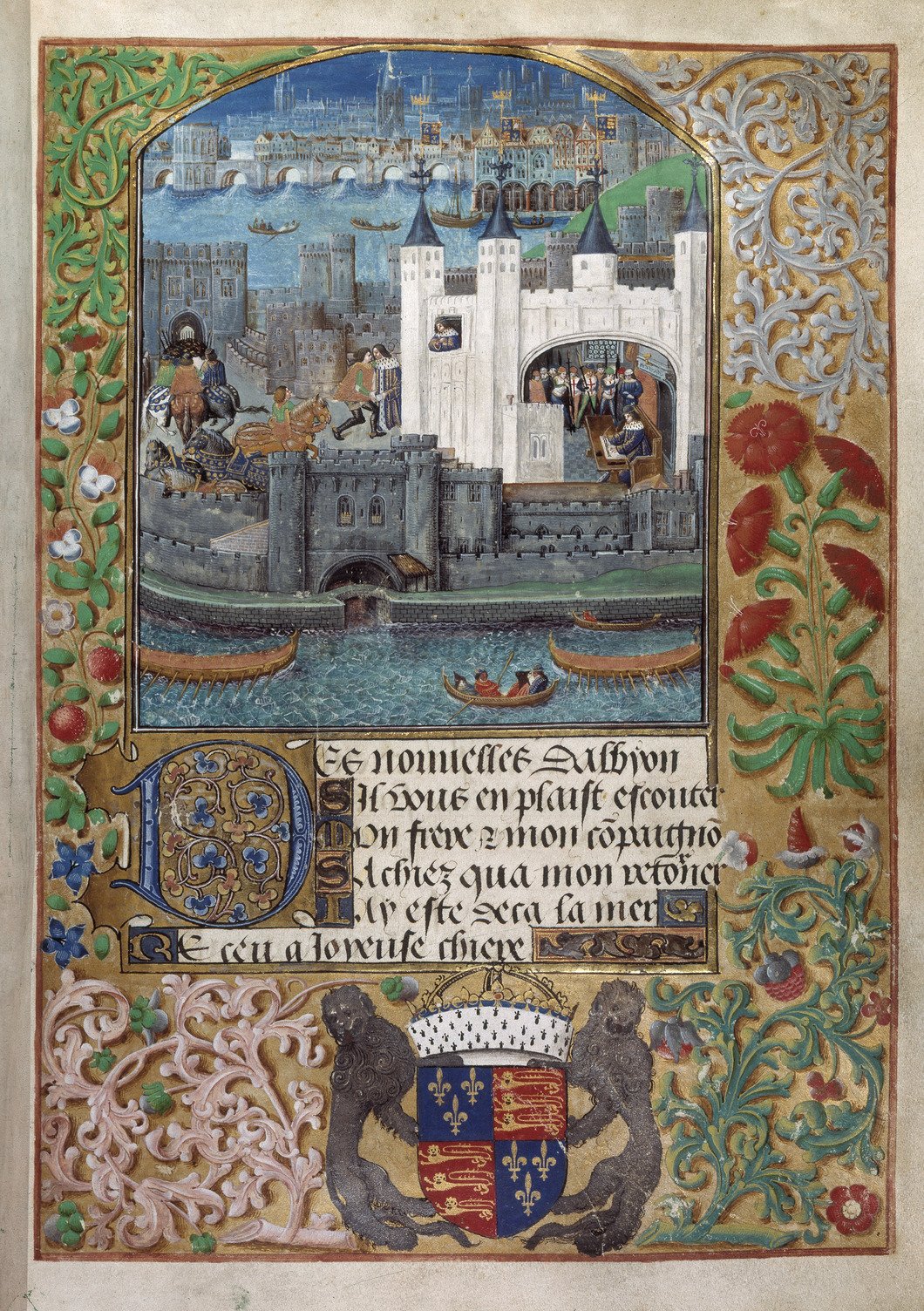
King Henry III of England was not happy with the privy chamber in the Tower of London, because it smelled bad. He ordered a new one to be built, even if it cost a hundred pounds. That was a huge sum at the time, and it tells you exactly how bad the smell must have been. Curious what else medieval kings spent their money on? Castles and wars come well ahead of toilets. But not by as much as you might think.
Even with a private latrine, a lord still kept a chamber pot handy, just like everybody else. Some things in life are universal.
At home: chamber pots and cesspits
For most people, the toilet was not a room at all. It was a pot. Writing for Medievalists.net, the historian Lucie Laumonier explains that chamber pots were very common, and that they could be simple buckets or any vessel that did the job.
Many town houses also had a privy, often built over a cesspit, a hole in the ground that collected the waste. Living next door to a cesspit was nobody’s idea of fun, so towns made rules. A London ordinance from the 1200s, Laumonier notes, said that a stone-lined cesspit had to sit at least two and a half feet from the neighbour’s land, and an unlined one at least three and a half feet away. The original “not in my backyard”.
And what about simply emptying the pot out of the window? It certainly happened. A London record from 1421 grumbles about the tenants of a building with no privy, who were throwing their waste out of the windows into the street. But it was not a free-for-all: emptying urine and faeces onto the street was against the rules, and offenders were fined. Medieval town councils, it turns out, were just as fed up with it as you would be.
The medieval mega-loo

Towns also built public latrines. In 1301, the city of York decided there should be public latrines in each of its four wards. But nothing beats London’s showpiece.
You may know Dick Whittington from pantomime, the poor boy who came to London to seek his fortune, found a famous cat and became Lord Mayor. The real Richard Whittington was a rich London merchant and mayor. Thanks to money he gave or left, a huge public toilet was built that came to be known as Whittington’s Longhouse, in use from around 1421.
It was built out over a Thames dock, near the mouth of the little River Walbrook, and it offered 128 places to sit, split evenly between a men’s side and a women’s side. The waste dropped below and was carried away by the river at high tide. A tide-flushed public loo, divided by sex and probably free of charge, in the 1420s. Not bad for the “Dark Ages”. Speaking of which, if you still believe medieval people never bothered to keep clean, our list of medieval myths has some news for you.
What did they use instead of toilet paper?
Ah, the question everyone asks about medieval toilets. Brace yourself: there was no soft, quilted roll.
Instead, people reached for whatever plants were around. World History Encyclopedia lists hay, grass and moss. Live Science adds sedge, straw and even pieces of tapestry. And archaeology backs this up:
- Whithorn, Scotland: excavators found “sheets” of moss studded with bits of hazelnut shell and blackberry seeds. The museum suggests they may have been used after a trip to the latrine. We’ll leave the rest to your imagination.
- Turku, Finland: researchers at the University of Turku studied a latrine used between 1450 and 1520 and found moss from nearby forests and swamps, which they think was probably used as toilet paper.
Using hay in the dark had its own risks. World History Encyclopedia passes on a story told by the monk Jocelin of Brakelond: at the abbey of Bury St Edmunds, a candle left too close to the hay in a privy very nearly started a fire. Now that’s a bathroom emergency.
The worst job in the Middle Ages
All those medieval toilets, pits and chutes had to be emptied by someone. In England, that someone was often called a gong farmer, from “gong”, one of the old words for a privy. History Hit describes the gong farmer’s job as digging out the waste that built up in cesspits and carting it away, whether in a town street or a castle yard.
It was hard, filthy and sometimes deadly work. Laumonier’s article turns up some grim cases from medieval England:
- In 1411, the city of Norwich paid a worker to clean its public latrines.
- In 1339, a latrine cleaner drowned in the Thames while washing himself after a day’s work.
- In 1326, a man named Richard le Rakiere was sitting on his privy when its wooden boards broke beneath him. He fell into the cesspit below and drowned.
Poor Richard. Of all the ways to enter the history books, that has to be the one nobody would choose. Next time you complain about your job, spare a thought for him.
Was any of this waste wasted? Not always. World History Encyclopedia suggests that what collected at the bottom of castle walls was probably taken by local farmers to spread on their fields. The medieval economy, it seems, really did use everything.
So, how bad were medieval toilets really?
Honestly? Less bad than the films suggest, but worse than you would put up with today.
Medieval people knew perfectly well that waste was unpleasant and unhealthy. They built special rooms for it, passed laws about it, paid people to clear it away and fined neighbours who made a mess. What they did not have was piped water and sewers in every street. Those came centuries later.
So the next time you flush, give a small nod of thanks to the gong farmers, the town councils of York and London, and Richard Whittington with his 128 seats over the Thames. Medieval toilets were not pretty. But the people who used them were trying, in their own smelly way, to solve a problem we still take for granted today.
Toilets were only half the story: find out whether medieval people really bathed.
Frequently asked questions
What were medieval toilets called?
In castles they were often called garderobes. Other common names included privy, draught, gong and necessarium.
Where did the waste go in a medieval castle?
It usually dropped down a shaft into the moat, a river or a pit at the foot of the wall. Bodiam Castle had 28 toilets emptying into its moat.
What did medieval people use as toilet paper?
Mostly plants and scraps: hay, grass, moss, sedge, straw and old cloth. Archaeologists have found moss in medieval latrines that was probably used for wiping.
Were there public toilets in the Middle Ages?
Yes. York ordered public latrines in all four of its wards in 1301, and London’s Whittington’s Longhouse, in use from around 1421, had 128 seats over the Thames.
Sources
- Mark Cartwright, World History Encyclopedia, Toilets in a Medieval Castle (2018)
- Lucie Laumonier, Medievalists.net, How to go to the toilet, medieval style? (2021)
- Matt Lewis, History Hit, From Filthy Streets to the First Flush: A Brief History of Toilets (2022)
- Vic Keegan, OnLondon, Dick Whittington’s very long lavatory (2022)
- Tyler Santora, Live Science, What did people use before toilet paper was invented? (2020)
- Future Museum, Moss used as toilet paper, Whithorn
- University of Turku, Medieval latrine discovered in Turku reveals the secrets of 15th-century diet (2022)