
Did Vikings Wear Horned Helmets?
Picture a Viking. Go on. Big beard, round shield, fierce scowl and, sitting proudly on his head, a helmet with two enormous horns sticking out of the sides. It is one of the most famous costumes in history. There is just one small problem: the real Norse raiders almost certainly never wore it. Viking horned helmets are a costume from the 1800s that somehow time-travelled back a thousand years. So where did the horns come from, what did Viking warriors actually wear on their heads, and who did wear horns? Let’s take a closer look under the helmet.
Jump to a section:
So, did the Vikings wear horns or not?
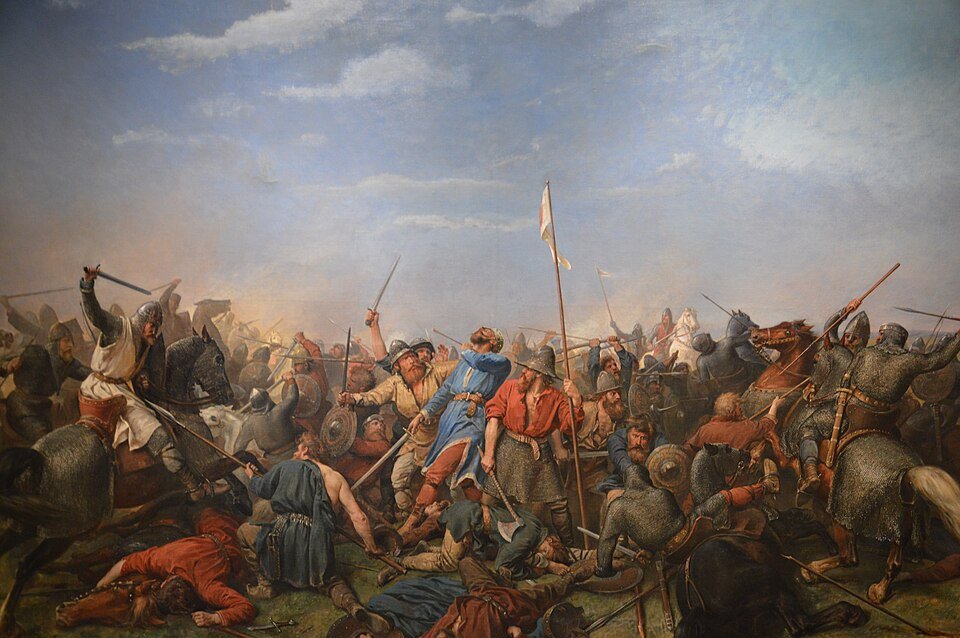
The short answer is no. The National Museum of Denmark, which looks after some of the most important Viking finds in the world, states it plainly: only one preserved helmet survives from the whole Viking period, and there is not a horn on it. History.com adds that in pictures made during the Viking Age itself, roughly from the 8th to the 11th century, warriors usually appear bareheaded or in simple caps of iron or leather.
Think about it practically, too. A pair of large horns is a gift to your enemy. They give him something to grab, something for his axe to catch and something to tangle in the rigging of a crowded ship. The Danish museum makes the same point, noting that horns would have got in the way in battle and on board. As History.com puts it, their usefulness in a real fight is “dubious at best”. Viking warriors were many things, but they were not stupid.
The one Viking helmet we actually have
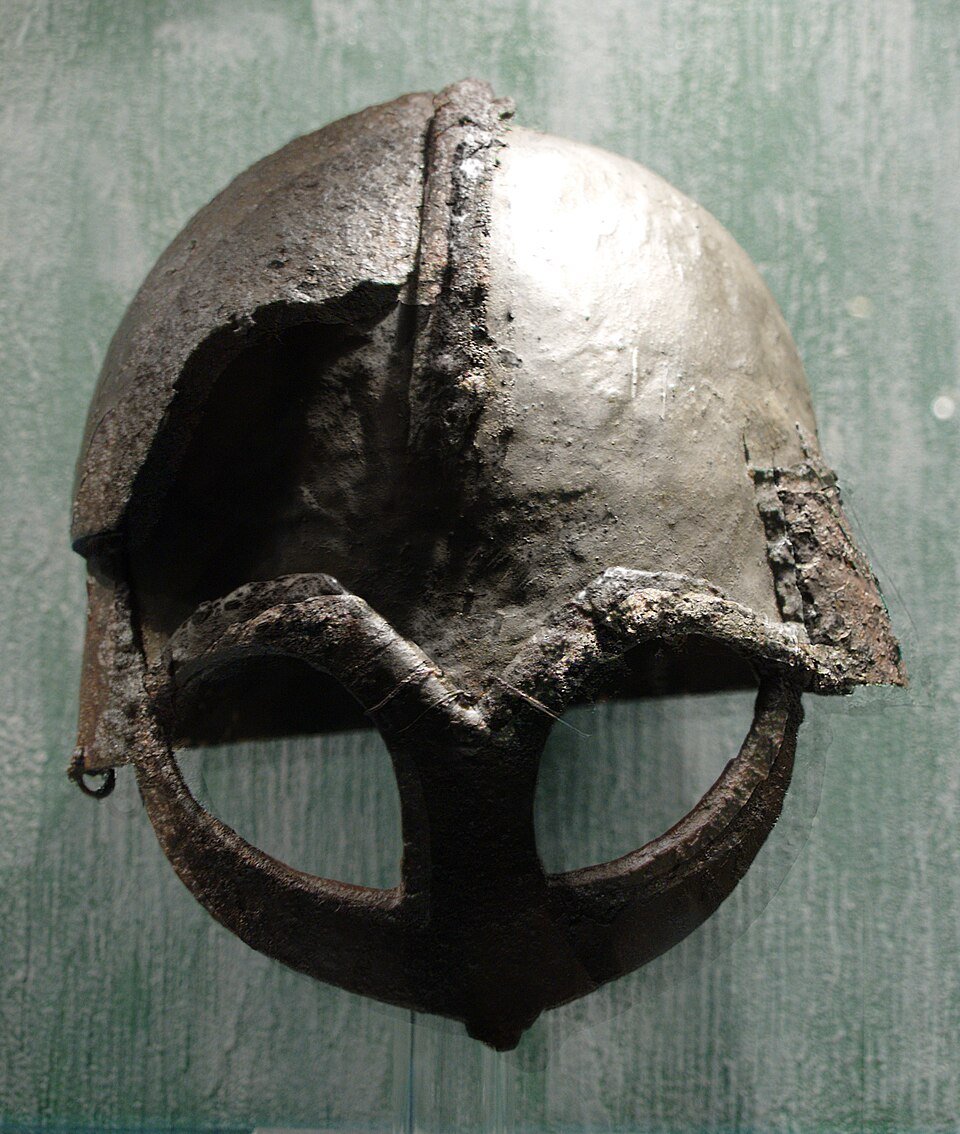
The star witness in this case comes from Norway. In 1943, during the German occupation, a burial mound was opened on a farm called Gjermundbu, north of Oslo. According to Science Norway, the helmet came out of the ground in nine pieces and was later restored. The same grave also held a coat of mail. The farmer’s son reportedly hid the finds in a barn so that the occupying Germans would not get their hands on them.
The helmet dates from the late 900s. It has a rounded iron cap and a guard that protects the eyes and nose, a bit like a pair of metal spectacles. No horns. Not even a little bump where horns might once have been.
For decades, the Gjermundbu helmet was billed as the one and only surviving Viking helmet. Then a second one turned up in England. Medievalists.net reports that workmen digging a trench for sewer pipes in Yarm, in north-east England, found an iron helmet in the 1950s. Research led by Chris Caple of Durham University later confirmed that it was made in northern England in the 10th century, which makes it just the second Viking helmet known to have survived almost whole. It, too, is hornless. Two out of two.
Why are Viking helmets so rare?
If thousands of Vikings went raiding, where are all their helmets? The National Museum of Denmark suggests two possible reasons. Perhaps helmets, unlike swords and spears, were not usually buried with their owners or offered to the gods. Only fragments have turned up in Denmark, such as pieces of the brow guards that protected the face. Or perhaps relatively few warriors owned a metal helmet at all. Many fighters probably made do with a leather cap or nothing at all.
So where did the horns come from?
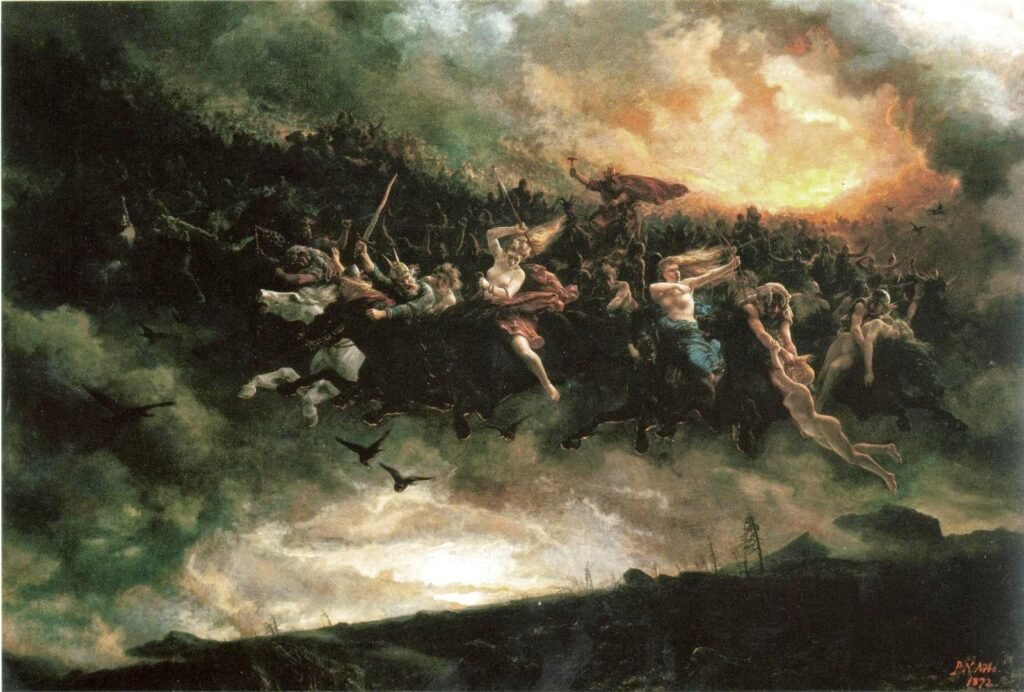
Viking horned helmets are a child of the 19th century, when artists, writers and composers across northern Europe fell in love with the Norse past.
According to the historian Eleanor Barraclough, writing for Oxford University Press, the earliest known picture of a horn-helmeted Viking appeared in a widely read illustrated Frithiof’s Saga printed in 1825. History.com notes that the Swedish artist Gustav Malmström was one of the painters who gave his Norse raiders horned helmets.
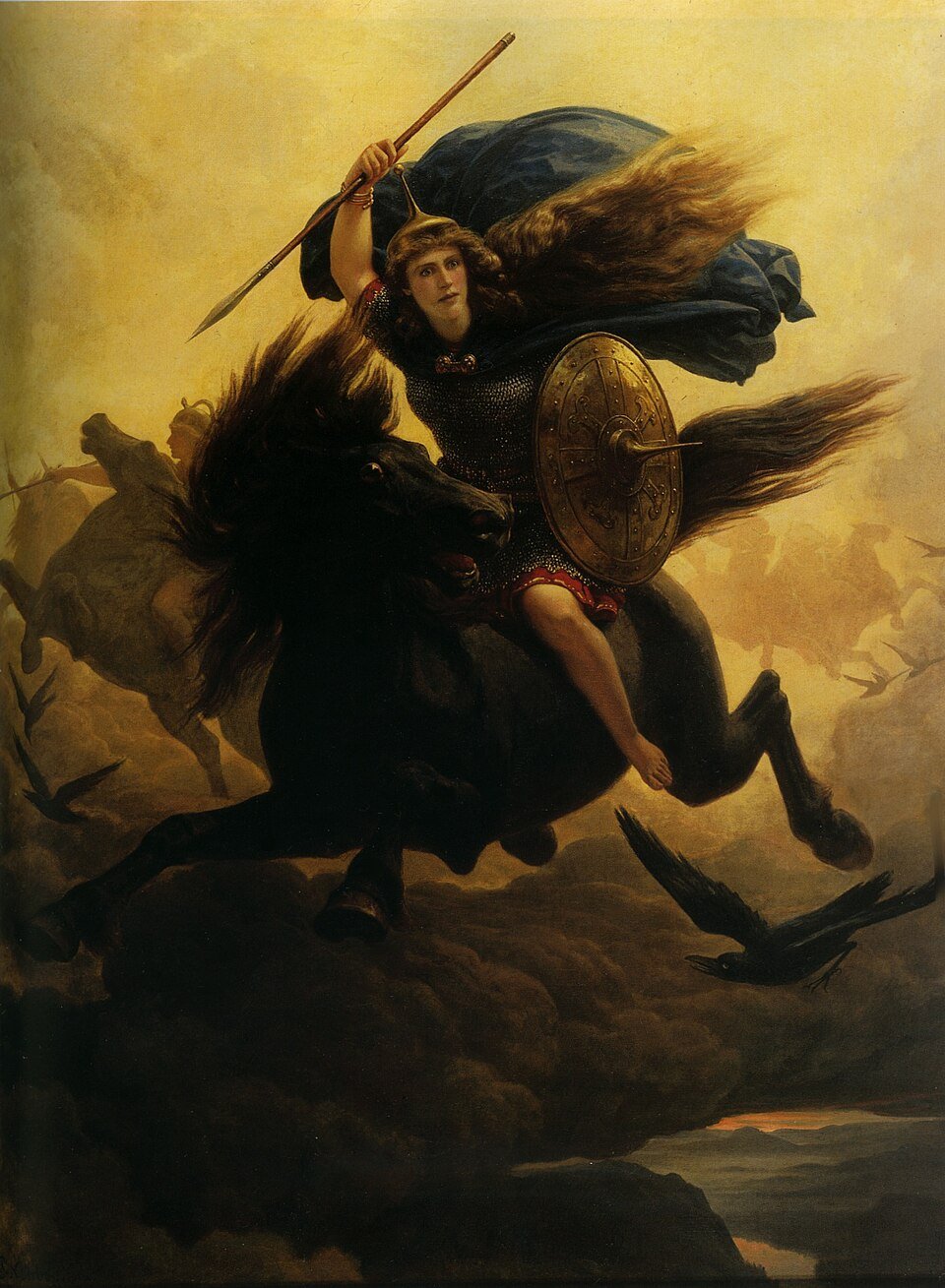
The real breakthrough came at the opera. In 1876, the first Bayreuth Festival opened with Richard Wagner’s huge four-part opera cycle, the Ring. The costumes were designed by Carl Emil Doepler, and, as Barraclough and History.com both note, he gave the Norse characters horned helmets. His designs are credited with making the look popular. Once the opera crowds had seen it, there was no going back.
From there, Viking horned helmets marched into book illustrations, advertisements, cartoons and eventually sports stadiums. Today you can buy a plastic pair at almost any fancy-dress shop. Nobody sells the much more accurate “round iron cap with spectacles” version, and frankly that is a missed opportunity.
Who did wear horned helmets?
Here is the twist: horned helmets did exist in Scandinavia, just not Viking horned helmets. They were just the best part of 2,000 years too early for the Vikings.
In 1942, workers cutting peat near Veksø in Denmark found two bronze helmets, each with a pair of curving horns. Smithsonian Magazine reports that a study led by the archaeologist Helle Vandkilde of Aarhus University dated them to around 900 BC by radiocarbon dating birch tar on one of the horns. That puts them firmly in the Bronze Age. Vandkilde called the link with the Vikings “nonsense” and explained that the horned theme belongs to the Bronze Age and has its deepest roots in the older civilisations of the Near East. Similar horned headgear appears in rock art and figures from Sardinia and western Iberia.
Even these older helmets were probably not meant for fighting. The researchers believe they were worn for ceremonies, not combat. The same goes for the few horned figures from later centuries. The National Museum of Denmark mentions horned figures on the famous Golden Horns and on a tapestry from the Oseberg ship burial, and suggests that some warriors, perhaps berserkers, may have worn horned headgear, but probably for display or religious ritual rather than in battle.
Other things to know about the real Vikings
Since we are clearing up myths, here is a bonus one. “Viking” was not really the name of a people. Barraclough explains that to the Norse, the word described an activity: a víking was a raid and a víkingr was a raider. She adds that most raiders were young men off on something like a gap year, and that not everyone in the Nordic world was a viking at all. So calling every Scandinavian of the time a Viking is a bit like calling every modern sailor a pirate.
Why the myth of Viking horned helmets refuses to die
The horned helmet survives because it is a brilliant costume. It is instantly recognisable, a little bit silly and very easy to draw. It also fits the way the 19th century liked to picture the Middle Ages: wild, dramatic and slightly barbaric. History has moved on, but the costume has not.
Viking horned helmets are just one of many stubborn legends about the period. For more, see our roundup of medieval myths. You can also find out where another famous misconception came from in the story of the flat EarthDid Medieval People Think the Earth Was Flat? myth, or see how real medieval soldiers fought in medieval siege warfare.
Frequently asked questions
Has a single horned helmet from the Viking Age ever been dug up?
None from the Viking Age. The two nearly complete helmets ever found, from Gjermundbu in Norway and Yarm in England, have no horns. Most pictures from the period show plain helmets or bare heads, and the rare horned figures, such as those on the Oseberg tapestry, were probably ritual or symbolic.
Who first gave the Norse raiders their horns?
In the 19th century. An illustrated edition of Frithiof’s Saga from 1825 is the earliest known example, and Carl Emil Doepler’s horned costumes for Wagner’s Ring at Bayreuth in 1876 made the look famous.
If not horns, then what was on a Viking’s head?
Nothing like the Viking horned helmets of the movies. It was a rounded iron cap, sometimes with a guard around the eyes and nose. Many warriors probably wore leather caps or nothing at all.
Were horns ever worn in ancient Scandinavia?
Bronze Age people, about 3,000 years ago. The Veksø helmets from Denmark date to around 900 BC and were probably used in ceremonies.
Sources
- National Museum of Denmark, Helmets (The Viking Age)
- Elizabeth Nix, History.com, Did Vikings really wear horned helmets?
- Eleanor Barraclough, Oxford University Press blog, 10 myths about the vikings (2016)
- Science Norway, Did this Viking helmet belong to a Norwegian warrior who served rulers in the East?
- Medievalists.net, Viking helmet discovered in England (2020)
- Livia Gershon, Smithsonian Magazine, The Horned Helmets Falsely Attributed to Vikings Are Actually Nearly 3,000 Years Old (2022)