
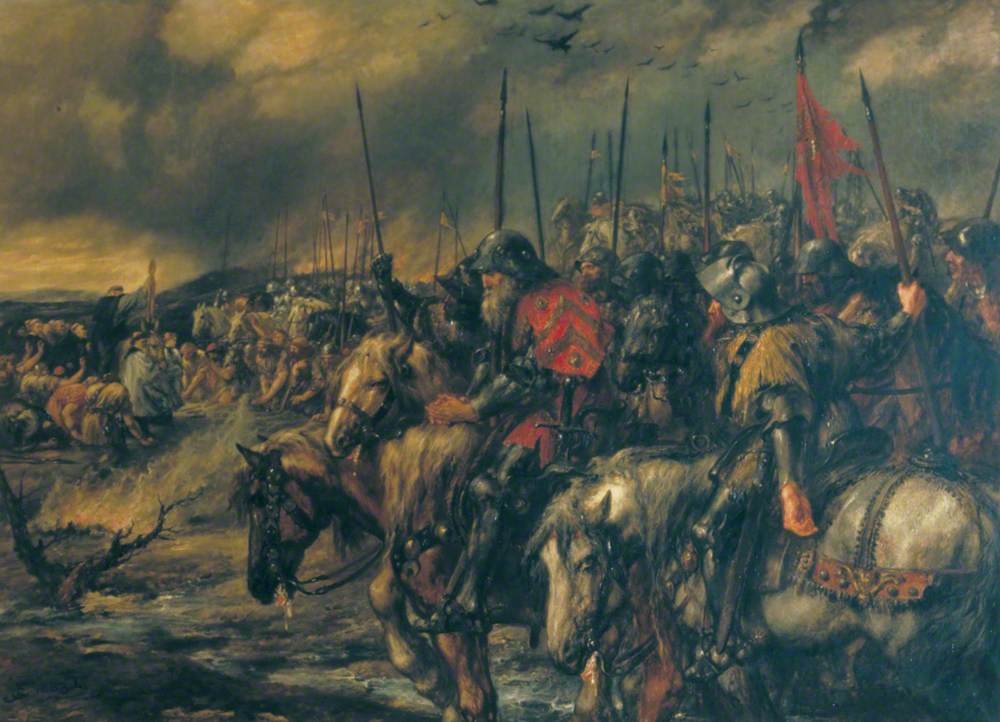
Battle of Agincourt: Mud, Arrows and the Myths of 1415
“We few, we happy few.” Thanks to Shakespeare, that line has been rousing audiences for over four hundred years. It belongs to King Henry V of England, on the morning of a battle that has been retold in plays, films, songs and at least one rude hand gesture. But how much of the famous story actually happened? Was the English army truly facing odds of five to one? Did the archers win it all on their own? And did anyone really invent the two-finger salute that day? Pull on your boots. It’s going to be muddy.
Jump to a section:
The Battle of Agincourt at a glance
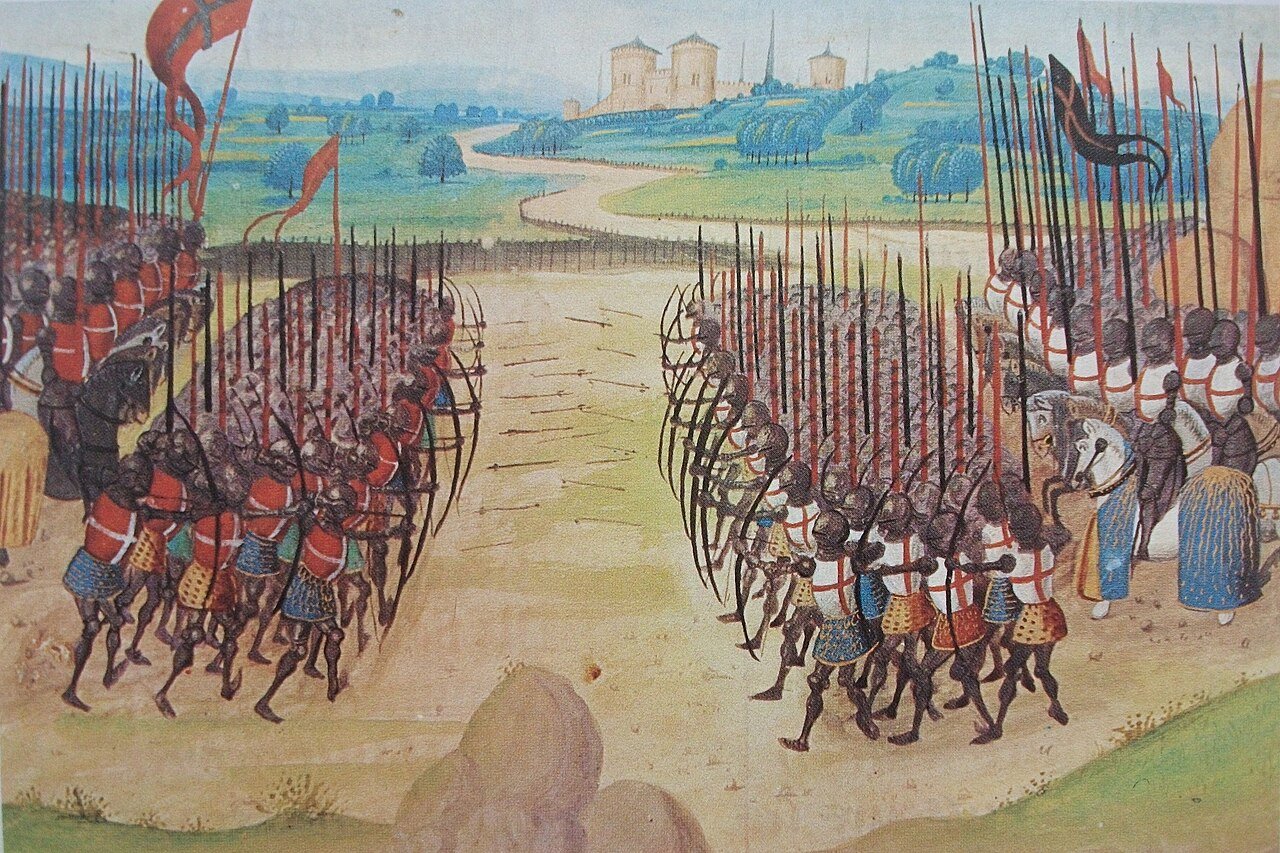
The Battle of Agincourt was fought on 25 October 1415, near the village that the French today call Azincourt, in northern France. On one side stood an English army led by King Henry V. On the other, a larger French army. It was one episode in the long, on-and-off struggle between England and France that historians call the Hundred Years’ War.
The English won, and won big. The victory made Henry a legend at home and turned his archers into national heroes. As for why it happened, that’s where the fun begins.
How Henry got himself into trouble
Henry did not set out to fight a battle at Agincourt. He arrived in Normandy in 1415 and began by besieging the port of Harfleur. According to a teaching pack from the Historical Association, the town held out for about a month. Henry won in the end, but the siege took a terrible toll on his men, many of whom caught dysentery. Sieges, as the pillar article on medieval siege warfare shows, were often won by whoever stayed healthy the longest.
With his army shrinking, Henry decided to march across the French countryside to the English-held town of Calais. It was a bold plan. It was also a risky one, because a French army was gathering to stop him. By the evening of 24 October, according to the Musée de l’Armée in Paris, the two armies were finally face to face. The English were tired, sick and hungry. The French were confident. Place your bets now. Then hold on to your money.
How big were the armies, really?
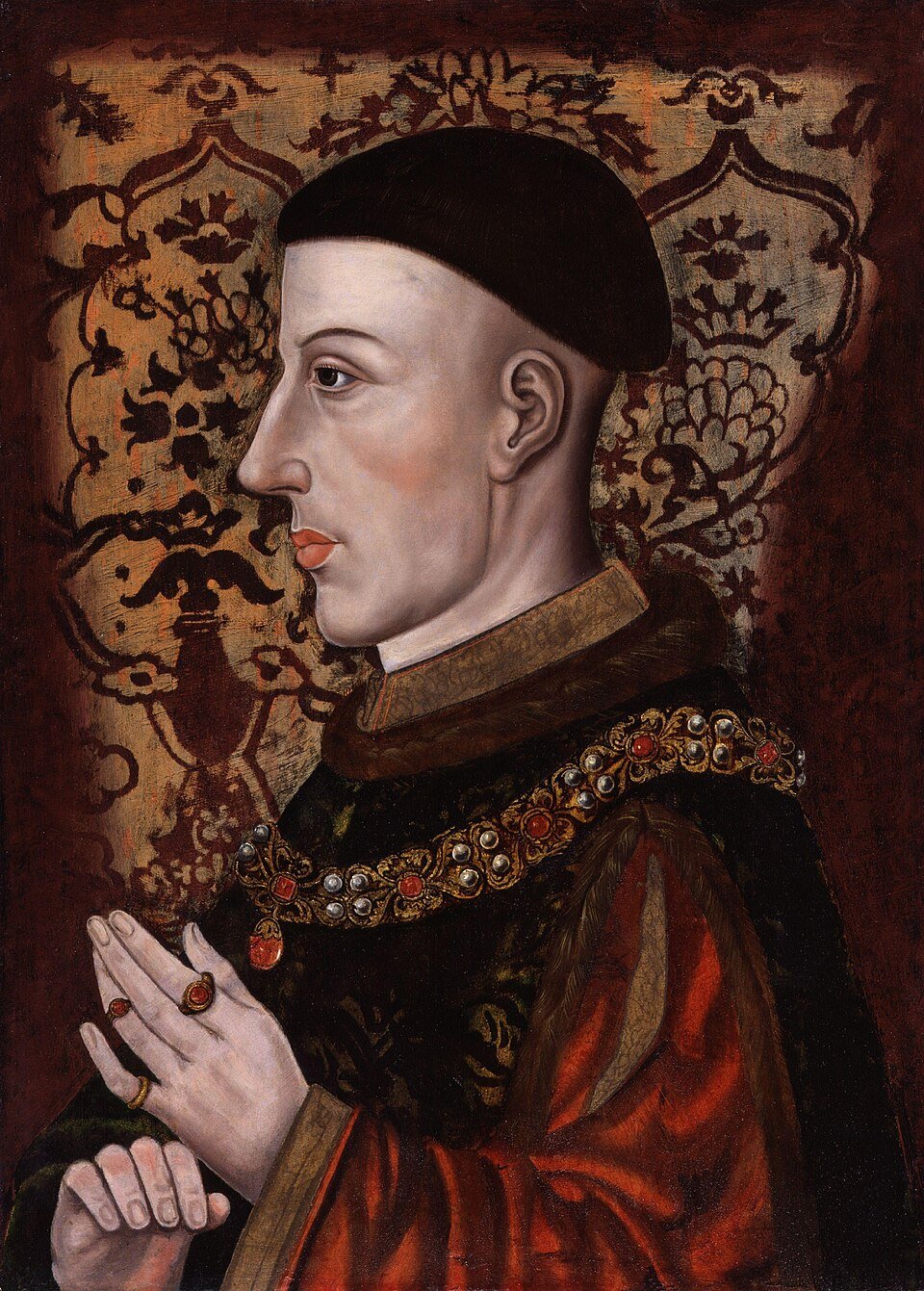
Here’s where the legend and the evidence part company. Old accounts and popular retellings often claim the English were outnumbered by as much as five to one. Recent research paints a different picture.
The historian Anne Curry of the University of Southampton has spent years studying the muster rolls and pay records of the campaign. Her university reports that she puts the English army at about 8,500 men and the French at about 12,000. She also points out a practical problem with the bigger figures: many of those extra soldiers simply would not have fitted into the space where the battle took place.
When her team’s reassessment made headlines in 2009, The New York Times reported their view that the French advantage was no more than about two to one, and that the odds Henry faced may have been nearer to evens. Other estimates vary. The Historical Association, for instance, gives a range of six to nine thousand for the English, and notes that some guesses for the French go all the way up to 30,000.
So, outnumbered? Almost certainly. Five to one? Probably not. Still a great story, just a slightly smaller one.
Mud, stakes and a sky full of arrows
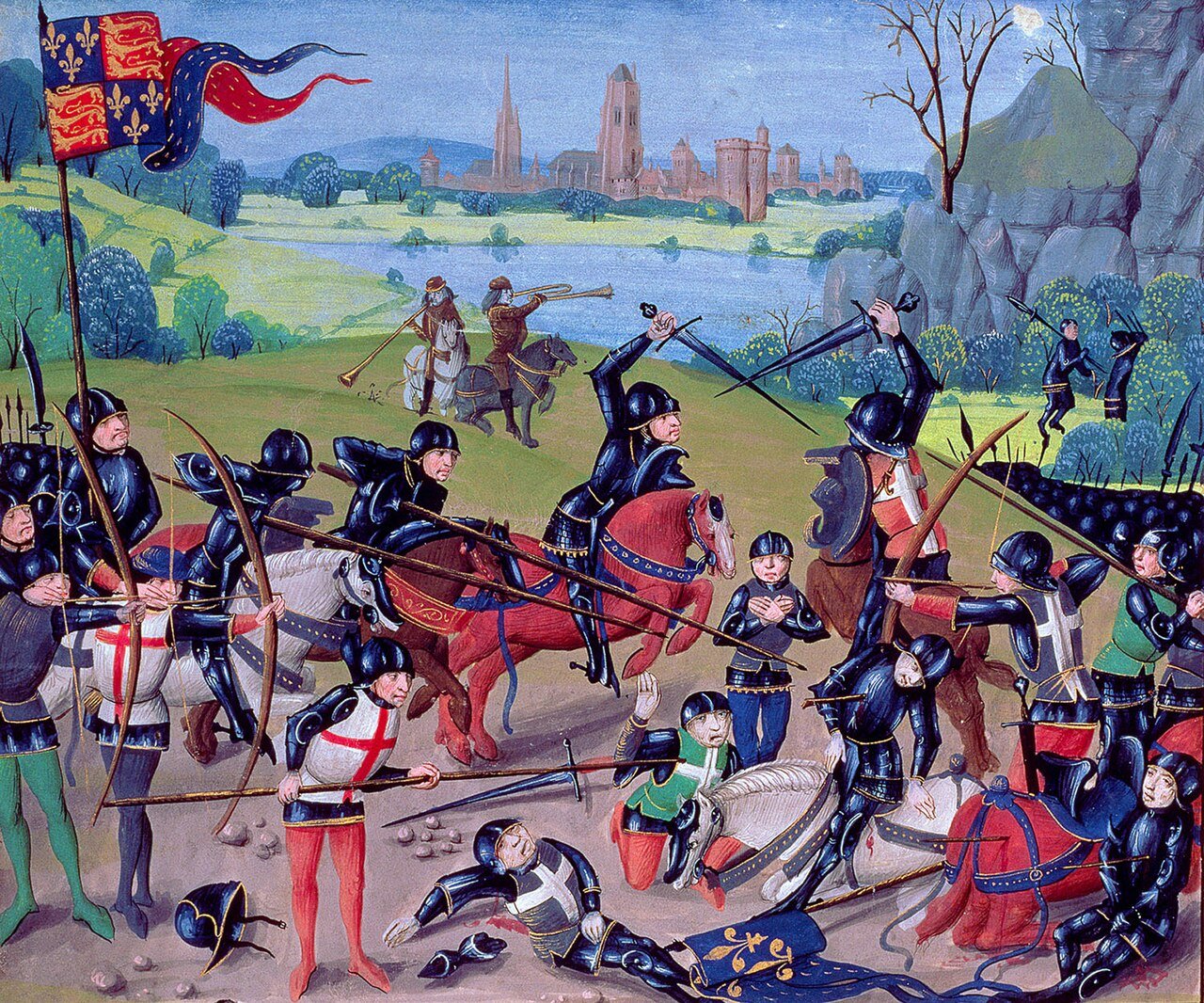
If you had to pick the true hero of Agincourt, you might choose the weather. The Musée de l’Armée explains that heavy rain overnight turned the battlefield into mud, so soldiers could only advance with difficulty. If you have ever tried to run across a freshly ploughed field after a storm, now add armour.
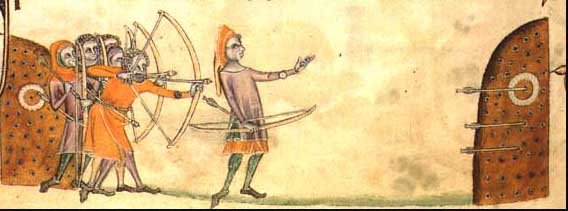
The English archers had prepared a nasty surprise. According to the Historical Association, the archers stood behind wooden stakes about 1.8 metres long with sharpened ends, hammered into the ground to protect them from charging horsemen. Then they started shooting.
When the French cavalry charged, the Musée de l’Armée says, it was cut to pieces by the English archers’ fire. Behind them came the main French force. The bulk of the French force, the Historical Association notes, were men-at-arms on foot. They had to slog through the mud, under a rain of arrows, towards the English line. By the time they reached the English, many were exhausted.
The archers deserve their fame. But it was the combination of mud, stakes and arrows, on a battlefield too small for the French to make the most of their numbers, that won the day.
The darkest moment of the day
Agincourt is often told as a feel-good story. One episode is anything but.
During the battle, the English took large numbers of French prisoners. At some point during the fighting, Henry gave a brutal order. The Historical Association says it is likely that the king commanded his soldiers to put the French captives to death. It was a grim decision even by the standards of the time, and historians still argue about exactly what happened and why.
Counting the dead
How many died? It depends who you ask, and nobody can know for sure. The Historical Association’s range runs from 112 up to 450 for the English dead, and from four thousand up to eleven thousand for the French. The Musée de l’Armée puts French losses at more than 5,000, including the elite of the French cavalry, and English losses at about 500.
Whatever the exact figures, the difference was enormous, and for the French nobility it was a catastrophe.
Myth check: did Agincourt give us the two-finger salute?
You may have heard this one. According to the tale, the French swore to chop the drawing fingers off any English bowman they took prisoner. So, after the victory, the archers waved their two drawing fingers at the defeated enemy, and the rude British “V sign” was born.
Lovely story. Sadly, there is no evidence for it. The University of Southampton reports that Anne Curry found no record of the gesture dating from 1415 itself, and believes the story was almost surely dreamed up in the 1900s. Forces News adds that the British Library has found not enough evidence to connect Agincourt with today’s offensive gesture. File it next to our other favourite medieval myths.
What happened next
After the battle, the Musée de l’Armée notes, the victorious Henry marched on to Calais and set sail for England with his spoils and his prisoners. He came home a national hero. The win gave him enormous prestige, both at home and abroad, and it set up his later campaigns in France. Curious how a king’s reputation could make or break his reign? The story of medieval kings is full of examples, good and bad.
And then there’s Shakespeare. Writing almost two centuries later, he turned Agincourt into one of the most famous speeches in the English language. It is stirring, it is brilliant, and like a lot of great drama, it is not always accurate. Which is why, if you remember just one thing from today, make it this: the real Battle of Agincourt was smaller, muddier and more brutal than the legend, and all the more fascinating for it. Kings could fall just as dramatically: Richard III lost his crown at Bosworth and was found, centuries later, under a car park.
Frequently asked questions
What date was the Battle of Agincourt fought?
On 25 October 1415, close to the village of Azincourt in northern France, as part of the Hundred Years’ War.
Who won the Battle of Agincourt?
The English army of King Henry V defeated a larger French army.
How outnumbered were the English at Agincourt?
Estimates vary. Historian Anne Curry suggests about 8,500 English against about 12,000 French, far less than the five-to-one odds of popular legend.
Why did the English win at Agincourt?
A combination of factors: a muddy battlefield that exhausted the French, sharpened stakes that protected the English archers, and the archers’ heavy shooting, which cut the French cavalry charge to pieces.
Sources
- University of Southampton, The truth about Agincourt (2016)
- Musée de l’Armée, Paris, The battle of Agincourt, a bloody episode in the Hundred Years’ War
- The Historical Association, Agincourt 600 history resource pack (PDF)
- History News Network (from The New York Times), Historians reassess Battle of Agincourt (2009)
- Greg Allwood, Forces News, Did Agincourt archers really invent the two-fingered salute? (2020)